
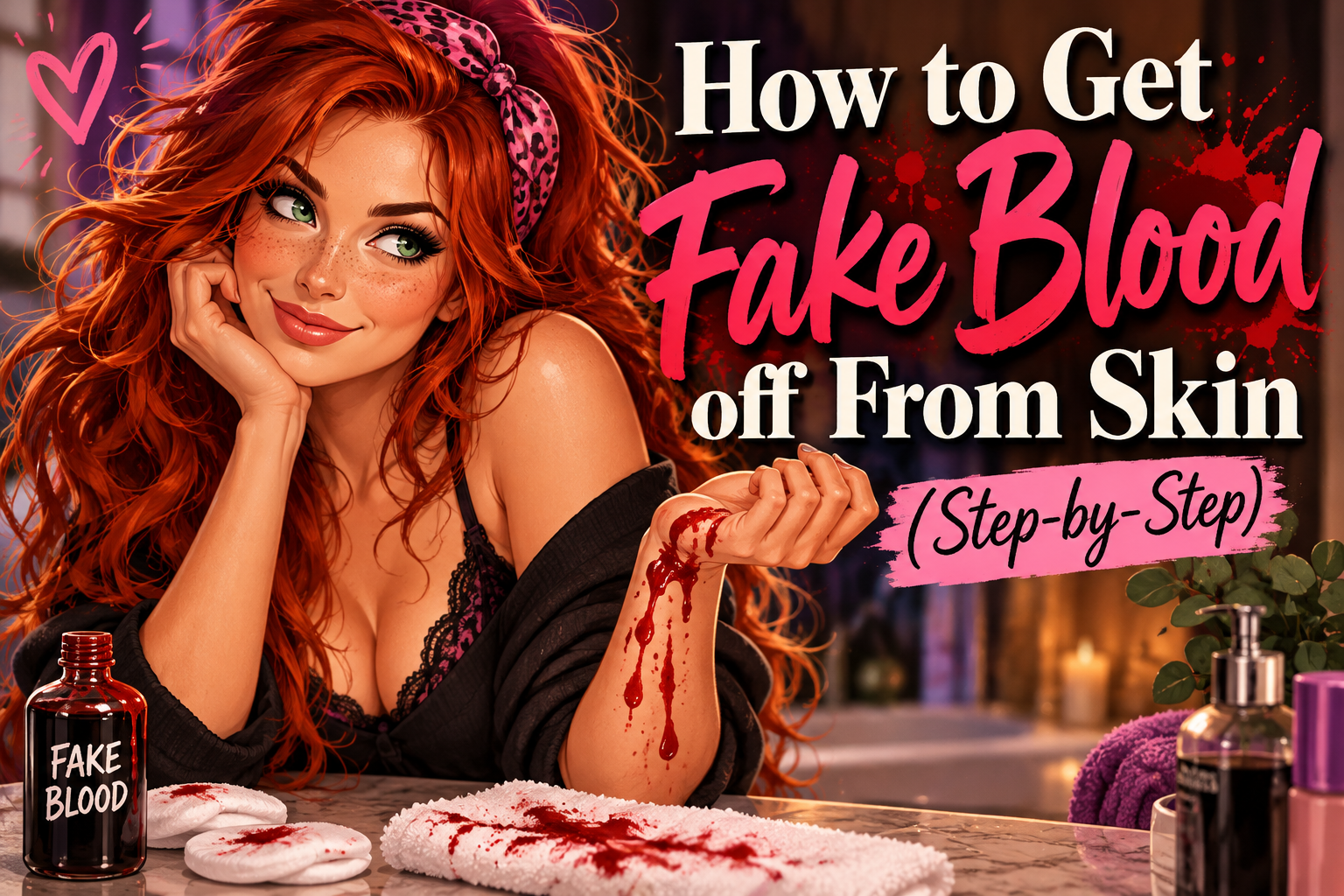
Here is the revised and polished version of your text. It has been proofread for flow, grammar, and consistency, with all potentially sensitive or abrasive wording removed to maintain a warm and engaging tone.
Removing Special Effects Fake Blood Safely
Whether you are wrapping up a high-energy Halloween night, finishing a professional theatrical stage performance, filming an indie horror short film, or participating in a zombie walk, special effects makeup is an essential part of the experience. Among all the various FX products available, fake blood is undoubtedly the most popular—and the most notoriously difficult to clean up.
When the cameras stop rolling or the party winds down, you are often left with stubborn crimson stains that seem permanently bonded to your skin. While it might be tempting to grab the nearest scouring pad or harsh chemical solvent, doing so can compromise your skin’s natural barrier, leading to irritation, redness, and discomfort.
Achieving a spotless, healthy complexion after a heavy makeup application requires a strategic approach. Different types of fake blood—ranging from corn syrup and food dye formulas to professional theatrical blood pastes and alcohol-activated paints—react differently to various removal agents. Understanding the chemistry of your specific makeup formula allows you to break down pigments safely, efficiently, and thoroughly.
Understanding Fake Blood Formulations
Before diving into the removal techniques, it helps to understand what you are trying to wash off. Commercial and DIY fake blood formulas generally fall into three categories, each requiring a slightly different cleaning strategy:
-
Corn Syrup and Food Coloring: The most common DIY and budget-friendly formula. While water-soluble, food dye contains intense staining agents that easily penetrate pores and dry skin cells.
-
Theatrical Blood Pastes and Gels: Formulated with thickeners, cornstarch, and heavy pigments. They are designed to stay wet-looking for hours, meaning their thick polymers can trap pigments close to the skin surface.
-
Professional Alcohol-Activated and Polymer Bloods: Used in professional film and television. These are specifically formulated to resist rubbing off during action sequences, making them the most stubborn to remove without the proper solvents.
Step 1: Use Oil to Break Down the Fake Blood
If you are dealing with heavy-duty, long-wear, or oil-based theatrical formulas, water and standard soap alone will often cause the pigment to smear rather than lift. The golden rule of professional makeup removal is that like dissolves like. Pigments bound in heavy carriers respond best to lipid-based dissolvents.
Coconut Oil or Baby Oil
Oils are absolute game-changers when dealing with stubborn, dried blood formulas. Massage a generous amount of pure coconut oil, mineral oil, or baby oil directly onto the stained areas of dry skin. Gently massage in circular motions for 30 to 60 seconds. The oil penetrates the pigment molecules, breaking their grip on the skin surface and lifting trapped dyes out of fine lines and pores. Once the pigment is fully suspended in the oil, wipe it away with a warm, damp microfiber cloth before rinsing with lukewarm water.
Micellar Water or Gentle Makeup Remover
For sensitive areas—such as the delicate skin around your eyes, lips, and neck—heavy oils might feel too rich or cumbersome. Micellar water is a fantastic alternative. Tiny oil molecules called micelles act like magnets to capture and lift away dirt, oil, and theatrical pigments without requiring harsh friction. Saturate a reusable cotton pad with micellar water, press it gently against the stained skin for a few seconds to let it break down the pigment, and wipe outward.
Step 2: Wash the Skin with a Deep Cleanser
Once you have broken down the heavy pigments with an oil or micellar wash, it is time to thoroughly cleanse the skin to remove any lingering residue, excess oil, or dye particles.
Traditional Bar Soap and Warm Water
While liquid body washes and foaming cleansers are convenient for everyday use, a traditional high-quality bar soap often outperforms them when tackling stubborn costume dyes. The dense lather of a bar soap helps strip away remaining pigment suspensions more effectively. Lather the soap thoroughly between your hands with warm water, massage the lather into the affected skin for at least 30 seconds, and rinse completely.
Step 3: Gentle Household Alternatives (For Stubborn Red Stains)
If a faint pink or red shadow still won’t budge from your skin, you can use common household items to lift the remaining dye. Note: These methods should only be used on your hands, arms, or legs—avoid using them on sensitive facial skin.
-
Shaving Cream (The Secret Weapon): Ordinary white, foaming shaving cream is highly effective at lifting food dye stains. It contains surfactant properties that lift pigments right out of pores. Slather a thick layer of foaming shaving cream over the stain, let it sit for two to three minutes, rub gently, and wipe away with a damp cloth.
-
Toothpaste as a Mild Exfoliating Cleanser: Ordinary white toothpaste contains mild abrasive agents and low-level surfactants that gently lift surface stains. Apply a pea-sized amount of non-gel white toothpaste directly to the stain, gently massage in circular motions for a few moments, and rinse thoroughly with lukewarm water.
-
Lemon Juice for Natural Brightening: The natural citric acid found in fresh lemon juice acts as a mild chemical exfoliant and natural brightener, helping to break down stubborn residual food coloring. Squeeze a small amount of fresh lemon juice onto a cotton ball and dab it gently onto the remaining stain. Allow it to sit for one to two minutes before rinsing thoroughly with water. Crucial Warning: Never use lemon juice on broken skin, fresh cuts, or scratches, as the acidity will cause intense stinging and irritation.
Pro-Tip: Prevention is the Best Removal Strategy
The absolute easiest way to deal with fake blood stains is to prevent them from bonding with your skin in the first place. Professional makeup artists utilize a simple barrier technique before applying any heavy FX makeup:
-
Barrier Sprays or Skin Preps: Professional barrier sprays create an invisible, breathable shield over the skin. When the performance or photoshoot wraps up, the fake blood sits entirely on top of the barrier film, allowing it to slide right off with a simple wipe.
-
A Light Layer of Lotion: If you do not have a commercial barrier spray on hand, smoothing a light, non-greasy body lotion or facial moisturizer over your skin before applying your costume makeup works wonders. It fills micro-pores and prevents synthetic dyes from sinking deep into the skin layers.
What NOT to Do: Common Mistakes to Avoid
When you are tired after a long event and just want the fake blood gone, it is easy to make mistakes that actually worsen the situation. Keep these crucial guidelines in mind:
-
Avoid Harsh Chemicals and Rubbing Alcohol: It can be tempting to reach for household rubbing alcohol, acetone, or heavy industrial solvents to strip away stubborn red stains. However, these harsh chemicals strip your skin of essential lipids, compromising your moisture barrier and causing severe dryness, flaking, and skin irritation.
-
Never Scrub Too Hard: Vigorous over-scrubbing with loofahs, pumice stones, or rough washcloths will not speed up the removal process. Instead, it leads to micro-abrasions, redness, and sensitive skin. Always let your oils, micellar water, and cleansers do the heavy lifting.
-
Steer Clear of Hot Water: Many people assume that hot water opens pores and helps wash away stains faster. In reality, hot water can actually cause protein-based or dye-heavy fake blood formulas to set and bind even deeper into the skin pores, making them significantly harder to remove. Always stick to lukewarm water throughout your cleaning routine.
Post-Removal Skin Care
After successfully removing all traces of fake blood and cleansing your skin, your epidermal barrier will appreciate a little extra care. Gently pat your skin dry with a clean towel—avoiding any rough rubbing—and immediately follow up with a soothing, fragrance-free moisturizer or hydrating serum. This locks in essential hydration, calms any minor surface sensitivity, and leaves your skin feeling soft, refreshed, and completely healthy.


This is an original creative work by Salty Vixen. This story/article, including its characters, plot, and descriptive content, is protected by copyright law. Unauthorized copying, sharing, reposting, or reproduction in any format is strictly prohibited. This content may not be used for AI training, data scraping, machine learning, or any form of artificial intelligence development without explicit written permission from Salty Vixen Publishing LLC. Violators will be pursued to the fullest extent of the law.
