
❄️ Cold Process Soap ❄️
The traditional art of making luxurious soap from scratch
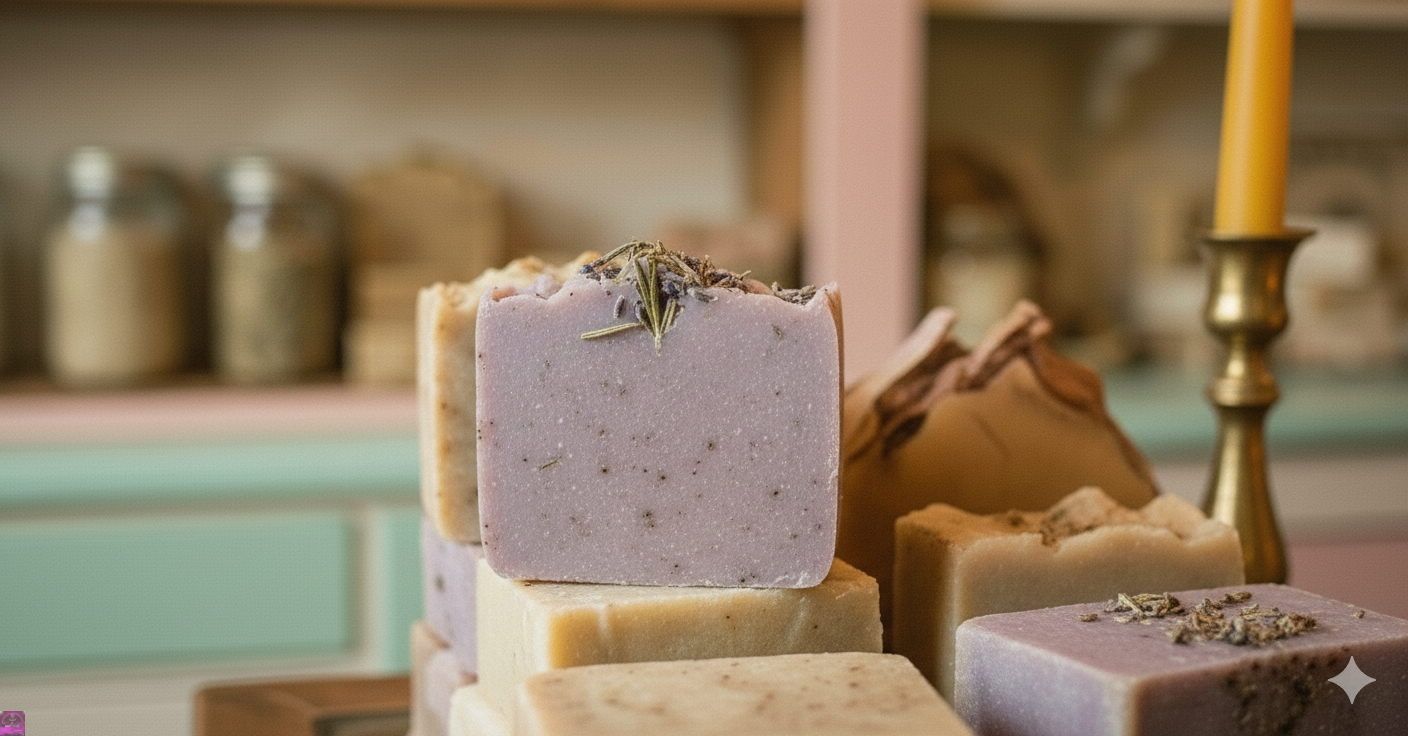
Cold process soap making is the REAL DEAL - making soap completely from scratch using oils and lye. While it requires more care and patience than melt and pour, the results are spectacular: luxurious, long-lasting bars with complete control over ingredients. This is true soapmaking artistry, and once you master it, you'll never want to use commercial soap again!
Why Cold Process Soap?
🎨 Complete Control
Choose every single ingredient. Create custom recipes for your skin type and preferences.
💰 Most Affordable
Make luxury soap for $1-2 per bar. Costs way less than melt and pour long-term!
✨ Superior Quality
Hardest, longest-lasting bars. Natural glycerin is retained (store-bought removes it!).
🌈 Creative Freedom
Swirls, layers, embeds - endless design possibilities once you master the basics!
⚠️ Lye Safety - READ THIS FIRST!
What You MUST Know About Lye
Lye (Sodium Hydroxide / NaOH) is caustic. It WILL burn skin and eyes on contact. BUT - with proper precautions, it's completely safe to use. Millions of soap makers use it daily without incident.
The good news: In finished soap, there is ZERO lye. It's all converted through saponification into soap!
Non-Negotiable Safety Rules
- ALWAYS wear safety goggles - protect your eyes!
- ALWAYS wear rubber gloves - dishwashing gloves work great
- Wear long sleeves and closed-toe shoes
- Work in ventilated area - lye + water creates fumes
- Keep vinegar nearby - neutralizes lye burns instantly
- ALWAYS add lye TO water - NEVER water to lye (causes volcano!)
- No kids or pets in soap making area
- Use stainless steel, glass, or plastic containers - never aluminum!
🛠️ Equipment You'll Need
Essential Equipment
- Digital scale - MUST measure by weight, not volume
- Stick blender / Immersion blender - speeds process from hours to minutes!
- Two heat-safe containers - One for lye solution, one for oils (glass or stainless steel)
- Thermometer - Candy or infrared thermometer
- Soap mold - Wooden, silicone, or plastic loaf mold
- Rubber spatula - For stirring and scraping
- Safety gear - Goggles, gloves, long sleeves, shoes
- Vinegar - For emergency lye neutralization
Ingredients
- Lye (Sodium Hydroxide) - Get pure NaOH, not drain cleaner!
- Oils and butters - Olive oil, coconut oil, palm oil, shea butter, etc.
- Distilled water - Never tap water (minerals interfere)
- Fragrance or essential oils - Optional but lovely
- Colorants - Micas, oxides, clays (optional)
🧼 Beginner Cold Process Recipe
Simple 3-Oil Recipe (Makes about 10 bars)
- 10 oz Olive Oil (33%)
- 10 oz Coconut Oil (33%)
- 10 oz Palm Oil or Lard (33%)
- 4.2 oz Lye (Sodium Hydroxide)
- 10 oz Distilled Water
- 1 oz Fragrance Oil (optional)
⚠️ IMPORTANT: ALWAYS run recipes through a lye calculator before making! Soapcalc.net is free and essential. Even small measurement errors can ruin soap!
📋 Step-by-Step Cold Process Soap Making
Step 1: Safety First!
Put on goggles, gloves, long sleeves, closed shoes. Clear workspace. Keep vinegar nearby. Send kids and pets to another room. Open windows. You're handling chemicals - take it seriously!
Step 2: Measure Oils
Weigh all oils in a large heat-safe container. If using solid oils (coconut, palm), melt them first, then add liquid oils. Heat combined oils to 100-110°F. Set aside.
Step 3: Make Lye Solution (CAREFUL!)
Measure distilled water into heat-safe container. Take container OUTSIDE or to well-ventilated area.
Measure lye. SLOWLY add lye TO water (never reverse!), stirring gently. Solution will heat to 200°F and release fumes - don't breathe them!
Stir until lye fully dissolves (clear solution). Let cool to 100-110°F. This takes 30-45 minutes.
Step 4: Combine Oils and Lye
When BOTH oils and lye solution are 100-110°F (within 10 degrees of each other), slowly pour lye solution into oils. Pour down the side of container, not directly into the middle.
Step 5: Blend to Trace
Use stick blender! Pulse on, stir, pulse on, stir. Keep doing this for 3-10 minutes until you reach "trace" - the mixture thickens like pudding and leaves a trail on the surface when drizzled.
Light trace = thin like cake batter. Medium trace = like pudding. Thick trace = like mashed potatoes. For beginners, aim for light-medium trace.
Step 6: Add Fragrance & Color (Optional)
At light trace, add fragrance oil (3-6% of oil weight, about 1 oz for this recipe). Stir well with spatula. Add pre-mixed colorants if using. Stir gently to incorporate.
Step 7: Pour into Mold
Pour soap batter into mold. Tap mold on counter to release air bubbles. Smooth top with spatula. Your soap is technically "done" - now it just needs to saponify and cure!
Step 8: Insulate and Let It Cook
Cover mold with plastic wrap, then a towel or cardboard box. Soap needs to stay warm (120-140°F) for 24 hours to complete saponification. This is called "gel phase" - it's good!
Don't peek for 24 hours! Let it do its thing.
Step 9: Unmold and Cut (24-48 Hours)
After 24-48 hours, soap should be firm enough to unmold. Still wear gloves! Soap is still caustic at this point. If it's too soft, wait another day.
Cut into bars with sharp knife or soap cutter. Handle gently - soap is still soft!
Step 10: Cure for 4-6 Weeks
Place bars on parchment paper or cooling rack in cool, dry area with good airflow. Flip every few days. Cure for 4-6 weeks minimum - this allows excess water to evaporate and soap to harden.
The wait is worth it! Properly cured soap is harder, milder, and lasts 3x longer!
🥄 Understanding "Trace"
Trace is THE most important concept in cold process soap making! It's when oils and lye have emulsified into soap batter.
Light Trace
Thin like cake batter. Leaves faint trail on surface. Best for: Swirls, intricate designs, slow-moving recipes
Medium Trace
Pudding consistency. Holds pattern when drizzled. Best for: Most beginner soaps, simple designs
Thick Trace
Thick like mashed potatoes. Hard to pour. Best for: Textured tops, embedding objects. Too thick for most designs!
🔧 Cold Process Troubleshooting
Problem: Soap Seized (Suddenly Thick and Clumpy)
Causes: Fragrance oil accelerated trace, blended too long, temperature too hot
Fix: If it seizes, quickly glop it into mold! It'll still make soap. Next time: use slow-moving fragrance, blend less, work at cooler temps
Problem: Soap is Crumbly and Won't Hold Together
Cause: Too much lye (lye-heavy soap)
Fix: Double-check recipe in lye calculator. This soap is not safe to use - remake with correct measurements
Problem: Soft Soap That Won't Harden
Causes: Not enough lye, too much liquid, not enough hard oils
Fix: Let it cure longer (8-12 weeks). Add more coconut or palm oil next batch for hardness
Problem: Soda Ash (White Powder on Top)
Cause: Lye reacting with air (totally harmless and cosmetic only!)
Fix: Spray top with rubbing alcohol immediately after pouring. Cover with plastic wrap. Or just wipe/plane it off after cutting!
💡 Pro Tips for Cold Process Success
- ALWAYS run recipes through a lye calculator - Soapcalc.net is your best friend!
- Weigh everything by weight, never volume - even water!
- Master one recipe first - make it 5+ times before experimenting
- Label everything! - Date your soaps, write cure dates, track recipes
- Patience is key - rushing = mistakes. Cure time = necessary
- Test for zap - Touch soap to tongue (yes, really!). If it zaps like 9V battery = still caustic. Wait longer.
- Join soap making groups - Facebook and Reddit have amazing communities!
You're a Real Soap Maker Now! ❄️✨
Cold process soap making is a journey! Your first batch might not be perfect - and that's completely normal. Even wonky soap is still functional soap! Keep making it, take notes, learn from each batch.
The reward? The most luxurious, longest-lasting soap bars you'll ever use, made with your own hands. Welcome to the craft! 🧼

This is an original creative work by Salty Vixen. This story/article, including its characters, plot, and descriptive content, is protected by copyright law. Unauthorized copying, sharing, reposting, or reproduction in any format is strictly prohibited. This content may not be used for AI training, data scraping, machine learning, or any form of artificial intelligence development without explicit written permission from © 2026 Salty Vixen Stories, Inc. — All rights reserved.. Violators will be pursued to the fullest extent of the law.
