
Batik Fabrics for Quilting Unique Properties, Tips & Care Guide
🎨 Batik Fabrics and Their Unique Properties 🎨
Learn what makes batik fabrics special, how they differ from regular quilting cotton, and when to use them in your quilting projects.
Batik fabrics have become increasingly popular in the quilting world, and for good reason! These gorgeous fabrics feature rich, saturated colors and unique patterns that can elevate any quilt design. But batiks aren't just pretty - they have distinct properties that make them behave differently than standard quilting cotton. Understanding these differences will help you work with batiks successfully and choose the right projects for these special fabrics.
What is Batik Fabric?
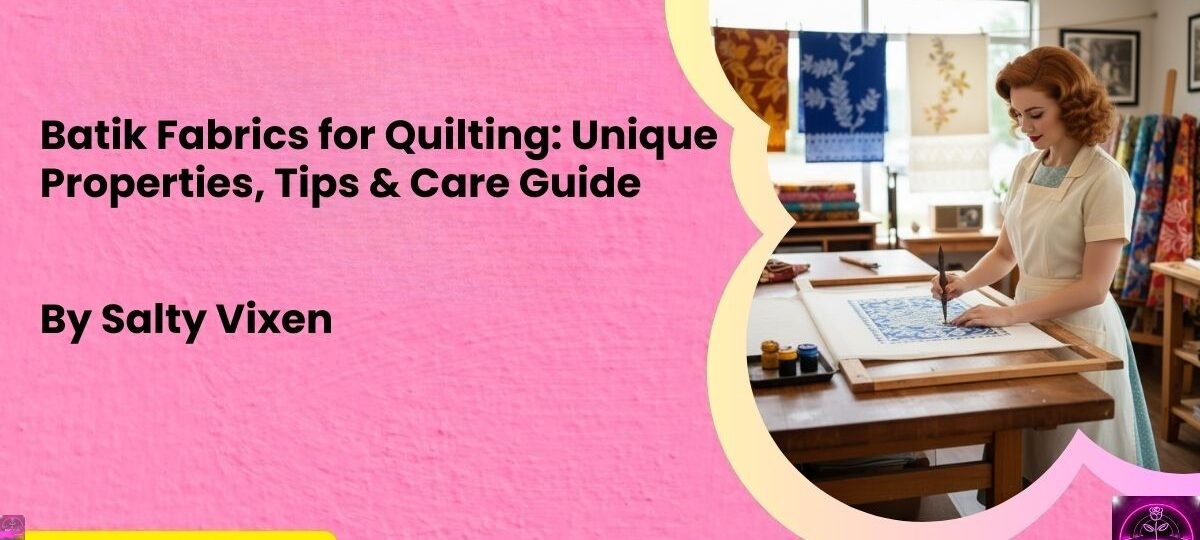
Batik is an ancient dyeing technique that originated in Indonesia over 2,000 years ago. The word "batik" means "wax writing" in Javanese. True batik fabric is created through a labor-intensive process where wax is applied to fabric in patterns, then the fabric is dyed. The wax resists the dye, creating beautiful designs.
The Batik Process:
- Wax Application: Hot wax is applied to fabric using a tool called a tjanting or with stamps
- First Dye Bath: Fabric is dyed (waxed areas resist dye and stay the original color)
- Additional Wax & Dye: Process repeats for multi-color designs - wax, dye, wax, dye
- Wax Removal: All wax is boiled out, revealing the final design
- Final Treatment: Fabric is washed and finished for quilting use
Modern Quilting Batiks: Most batiks sold in quilt shops today are "batik-style" fabrics made using modern batik techniques. They're still 100% cotton and still use wax-resist dyeing, but they're manufactured more efficiently than traditional hand-batiks. This makes them affordable for quilters while maintaining the beautiful aesthetic and quality properties of batik.
Unique Properties of Batik Fabrics
1. Higher Thread Count
Batiks typically have a thread count of 220-240 threads per inch, compared to 60-70 for regular quilting cotton. This tight weave creates a smoother, finer fabric that feels luxurious to the touch.
What this means for you: Crisper seams, less fraying, and a lovely drape in finished quilts.
2. No Right or Wrong Side
Because batiks are dyed rather than printed, the color penetrates through the entire fabric. Both sides look nearly identical, with equally saturated color on front and back.
What this means for you: More forgiving if you accidentally sew a piece backwards! Also perfect for reversible projects.
3. Richer, More Saturated Colors
The dye process creates incredibly vibrant, rich colors that seem to glow. Batiks are especially known for jewel tones and deep saturated hues that are hard to achieve with printing.
What this means for you: Stunning visual impact, especially in modern and contemporary quilt designs.
4. Minimal Shrinkage
The batik process involves multiple dye baths in hot water, which pre-shrinks the fabric during manufacturing. Most batiks shrink less than 1%, compared to 3-5% for regular cotton.
What this means for you: More stable fabric, less concern about prewashing (though many quilters still do).
5. Tighter Weave = Sharper Needle
That high thread count means your needle has to work harder to penetrate the fabric. Dull needles will cause skipped stitches and difficulty sewing through batiks.
What this means for you: Use a fresh, sharp needle (size 80/12 or 90/14) and change it more frequently when working with batiks.
6. Virtually No Fraying
Thanks to the tight weave, batiks fray minimally compared to regular cotton. Raw edges stay clean and controlled.
What this means for you: Perfect for appliqué, raw-edge techniques, and any project where you want clean edges.
7. Stiffer Hand
Batiks feel crisper and stiffer than regular quilting cotton when new. They have more body and less drape initially.
What this means for you: Fabric holds its shape well during piecing but softens beautifully after washing.
Tips for Working with Batiks
Before You Sew:
- Use a new, sharp needle (80/12 or 90/14 universal or microtex)
- Test your seam allowance - batiks can be slippery!
- Consider using a walking foot for better fabric control
- Prewash if mixing with regular cotton (to match any shrinkage)
While Piecing:
- Pin more than usual - the smooth surface can shift
- Use a slightly longer stitch length (2.5mm instead of 2.0mm)
- Press with a hot iron and plenty of steam
- Batiks can handle high heat - use cotton setting safely
Common Issues & Solutions:
- Skipped stitches: Change to a new needle immediately
- Puckered seams: Reduce thread tension slightly
- Fabric sliding: Use more pins or a walking foot
- Needle gumming: Wipe needle with alcohol between blocks
When to Choose Batiks
✓ Batiks Excel In:
- Modern quilts: Clean lines and saturated colors shine
- Bargello quilts: Color gradations are stunning in batik
- Appliqué: Minimal fraying makes raw-edge appliqué easy
- Watercolor quilts: Subtle patterns blend beautifully
- Quilt backs: Rich solid color on both sides, minimal fraying
- Art quilts: Jewel tones create dramatic impact
- String quilts: Sharp seams stay crisp with narrow strips
- Foundation piecing: Tight weave resists distortion
△ Consider Alternatives For:
- Traditional quilts: May look too modern for reproduction fabrics
- Large-scale prints: Batiks are typically tone-on-tone or small patterns
- Ultra-soft baby quilts: Regular cotton is softer from the start (though batiks soften with washing)
- Budget projects: Batiks cost $12-18/yard vs $10-12 for regular cotton
- Scrappy quilts from stash: Can be hard to blend batiks with regular cotton prints
Can You Mix Batiks with Regular Cotton?
Yes! Many quilters successfully mix batiks and regular quilting cotton in the same quilt. Here's how to do it successfully:
Strategy 1: Use Batiks as Accents
Use mostly regular cotton with a few batik fabrics for pops of intense color. The batiks add visual punch without overwhelming the design.
Strategy 2: Use Batiks for Backgrounds
A batik background provides a beautiful, subtle texture that lets printed fabrics shine. The tight weave also prevents show-through.
Strategy 3: Prewash Everything
If mixing fabrics, prewash ALL of them to equalize any shrinkage differences. This prevents puckering in the finished quilt.
💡 Pro Tip:
Batik solids pair beautifully with tone-on-tone regular cottons. The batik adds richness while the regular cotton provides softness. This combination gives you the best of both worlds!
Caring for Batik Quilts
- Washing: Machine wash cold or warm with mild detergent
- Drying: Tumble dry low or hang to dry
- Color bleeding: Minimal due to dye process, but wash darks separately the first time
- Fading: Batiks are more colorfast than regular cotton but still avoid prolonged sun exposure
- Softening: Batiks soften beautifully with washing - they get better with age!
- Ironing: Use high heat safely - batiks can handle it
The Bottom Line on Batiks
Batik fabrics offer quilters something truly special - vibrant colors, beautiful drape, and unique properties that make them a joy to work with once you understand their quirks. While they cost a bit more and require a sharp needle, the stunning results are worth it! Try batiks in your next modern quilt or use them as rich backings. Once you experience the luxury of working with quality batiks, they'll become a favorite in your fabric stash.
