
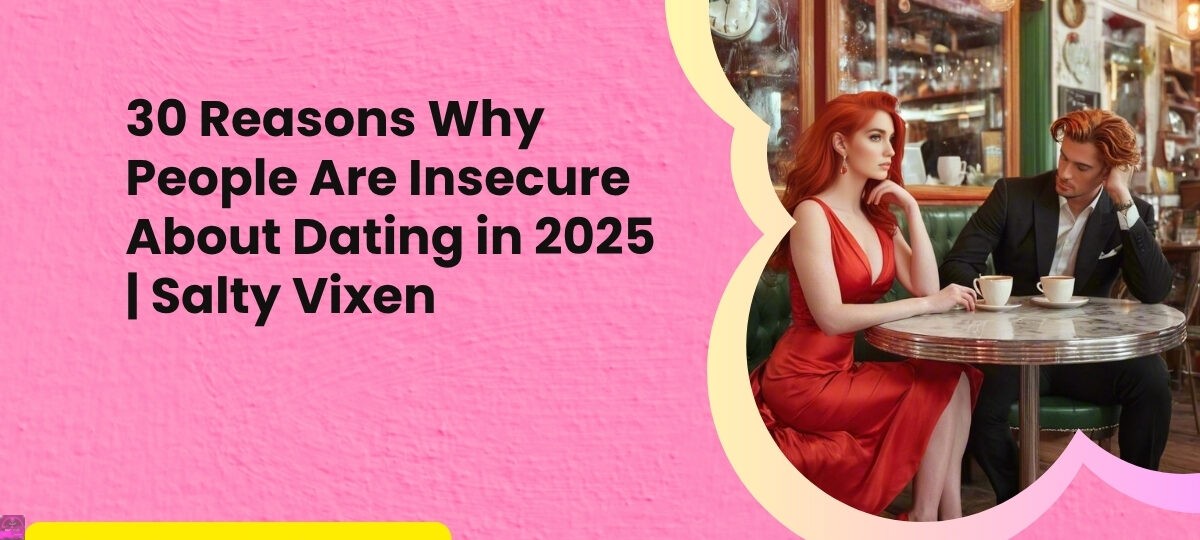

Navigating the dating landscape in 2025 can feel like a minefield, leaving many feeling deeply insecure. With evolving social norms, the pervasive influence of technology, and persistent personal challenges, it’s no wonder people are experiencing heightened anxiety and self-doubt when it comes to finding connection. This WikiFlirt article explores 30 key reasons behind dating insecurity in today’s world.
Method 1 of 3: Impact of Digital & Social Media Culture
The digital realm, while offering connection, often creates an environment ripe for insecurity.
1. Curated Online Personas: Dating apps and social media encourage presenting an idealized version of oneself, leading to fear that one’s real self isn’t “good enough.” This constant performance anxiety can be exhausting.
2. Comparison Culture: Endless scrolling through perfectly curated lives and relationships on social media fuels comparison, making individuals feel inadequate against unrealistic ideals.
3. “Swipe Fatigue” and Overwhelm: The sheer volume of choices on dating apps can lead to burnout, decision fatigue, and a feeling that everyone is interchangeable, diminishing the value of individual connections. Source: Making Waves Counseling & Wellness
4. Ghosting and Breadcrumbing: The ease of disengaging without explanation on dating apps (ghosting) or leading someone on (breadcrumbing) causes significant emotional distress, self-doubt, and fear of abandonment. Source: International Journal of Environmental Research and Public Health (via Wisdomlib)
5. Focus on Immediate Visual Impression: Dating apps often prioritize photos and quick bios, leading to increased negative self-image and dissatisfaction for those who feel they don’t fit narrow beauty standards. Source: International Journal of Environmental Research and Public Health (via Wisdomlib)
6. “Always-On” Expectations: The expectation for constant availability and quick responses via text or apps can lead to anxiety about communication etiquette and fear of appearing “too eager” or “not interested enough.”
7. Dehumanization of Interactions: The screen-mediated nature of online dating can make interactions feel less personal, making rejection feel more abstract yet still deeply impacting self-esteem.
8. Fear of Online Misrepresentation: Worry about being catfished or meeting someone who doesn’t resemble their profile photos can create distrust and anxiety before even a first date.
9. Online Performance Pressure: The need to craft witty bios and engaging messages can feel like a performance, causing anxiety about not being clever or interesting enough.
10. Public Scrutiny (Indirect): The knowledge that friends or even strangers might see your dating app profiles can add pressure to appear desirable.
Method 2 of 3: Psychological & Emotional Factors
Internal struggles and past experiences play a significant role in how secure someone feels about dating.
11. Low Self-Esteem: A fundamental lack of self-worth can lead individuals to believe they aren’t good enough for a partner or that they don’t deserve love. Source: Manhattan Wellness
12. Fear of Rejection: The primal fear of being turned down or deemed undesirable is amplified in dating, making people hesitant to put themselves out there. Source: Ambiance Matchmaking
13. Past Traumas and Unresolved Issues: Previous hurtful relationships (betrayal, abandonment, neglect) can carry over, creating trust issues and a fear of repeating negative patterns. Source: Manhattan Wellness / Source: Lemon8
14. Anxious Attachment Style: Individuals with an anxious attachment style often fear abandonment and crave constant reassurance, leading to insecurity in relationships. Source: Laurel Therapy Collective / Source: ResearchGate
15. Fear of Vulnerability: Opening up emotionally and showing one’s true self can feel incredibly risky, especially when there’s a fear of being judged or misunderstood. Source: Ambiance Matchmaking
16. Lack of Communication Skills: Difficulty expressing needs, setting boundaries, or resolving conflict can lead to misunderstandings and insecurity about the relationship’s stability. Source: TikTok
17. Unrealistic Expectations: Holding partners or relationships to impossibly high standards can lead to constant disappointment and a feeling of inadequacy. Source: Manhattan Wellness
18. Body Image Issues: Societal beauty standards, exacerbated by social media, can lead to significant insecurity about one’s physical appearance and desirability. Source: apa.org
19. Fear of Commitment: Ironically, a fear of commitment can stem from insecurity about one’s own ability to maintain a healthy, long-term relationship, or fear of losing oneself in it. Source: Little Gay Book
20. Social Anxiety: General discomfort in social situations can make dating particularly daunting, leading to avoidance or awkwardness that feeds insecurity.
21. Negative Self-Talk: Internalized critical voices can constantly undermine confidence, making individuals doubt their attractiveness, worth, and dating abilities.
22. Inexperience or Perceived Inexperience: Feeling behind peers in dating experience can lead to self-consciousness and a lack of confidence in navigating new relationships.
Method 3 of 3: Societal & Economic Pressures
Broader societal shifts and economic realities also contribute to dating insecurity in 2025.
23. Rising Cost of Dating: Inflation and economic uncertainty make traditional dates expensive, causing financial anxiety and limiting opportunities for connection. Source: Time Magazine / Source: YouTube (Search for “Dating Budgeting Tips for Gen Z”)
24. Shifting Gender Roles and Expectations: Uncertainty about who should initiate, pay, or lead in a date can create confusion and awkwardness for all genders. Source: The Matchmaker UK
25. “Situationship” Culture: The rise of ambiguous, non-committal relationships (situationships) leaves many feeling emotionally exploited and insecure about their desire for genuine commitment. Source: Psychology Today (Rest Less often references their articles)
26. Pressure to “Future-Proof” Relationships: Global uncertainties (economic, environmental, political) lead many, especially women, to prioritize stability and reliability in partners, adding pressure to date with intense intentionality. Source: Bumble’s 2025 Global Dating Trends
27. Declining Social Spaces for Meeting People Organically: With increased reliance on apps, opportunities for casual, low-pressure meetings in real life can feel scarce, making dating feel like a forced, high-stakes event.
28. Fear of Misinterpretation or “Cancel Culture”: Anxiety about saying or doing the “wrong” thing, especially in early interactions, can lead to overthinking and self-censorship, hindering genuine connection.
29. Mental Health Crisis Awareness: Increased awareness and openness about mental health issues can lead to insecurity about disclosing struggles or fearing judgment from potential partners.
30. Increased Emphasis on “Checking Boxes”: The perception that partners are looking for a perfect checklist of traits (e.g., specific income, height, social status) creates pressure to conform and insecurity if one doesn’t meet these perceived ideals. Source: Reddit r/SwipeHelper (general Reddit discussions support this)
Tips for Overcoming Dating Insecurity
- Focus on Self-Love: Before seeking validation from others, cultivate a strong sense of self-worth. Practice self-compassion, acknowledge your strengths, and treat yourself with kindness.
- Set Clear Boundaries: Understand what you want and don’t want in dating. Clearly communicating your boundaries helps protect your emotional well-being and fosters healthier interactions.
- Limit Social Media Comparison: Be mindful of how much time you spend on social media and dating apps. Remember that what you see online is often a curated highlight reel, not reality. Take breaks when needed.
- Practice Authentic Self-Expression: Instead of trying to be what you think others want, focus on being your genuine self. The right person will appreciate you for who you truly are.
- Improve Communication Skills: Learn to express your feelings and needs clearly and respectfully. Good communication is the cornerstone of any healthy relationship.
- Seek Professional Support: If past traumas, severe social anxiety, or persistent low self-esteem are significantly impacting your dating life, consider talking to a therapist or counselor. They can provide tools and strategies to help you navigate these challenges.
- Prioritize Real-Life Interactions: While apps can be useful, make an effort to meet people organically through hobbies, social groups, or events that genuinely interest you. This can reduce the pressure associated with app-based dating.
- Manage Expectations: Understand that dating involves ups and downs. Not every connection will lead to a relationship, and that’s okay. Focus on learning and growing from each experience.
- Embrace Vulnerability (Strategically): Opening up can be scary, but it’s essential for deep connection. Start small and only share what feels comfortable, building trust gradually.
- Learn from Rejection: Rejection is a part of dating. Instead of viewing it as a personal failing, see it as a redirection. Not everyone is compatible, and that doesn’t diminish your worth.
References
- Ambiance Matchmaking. (2025). Overcoming Fear Of Rejection In Dating (2025). Retrieved from https://ambiancematchmaking.com/blog-articles/how-to-be-vulnerable-in-relationships/ (Also references “The Power Of Vulnerability In Relationships (2025)” from the same domain).
- Bumble. (2025). Our 2025 Dating Trends Are In and This is What the Data Says. Retrieved from https://bumble.com/en/global-dating-trends/
- Laurel Therapy Collective. (2024). From A Therapist: How To Bounce Back From Dating App Burnout. Retrieved from https://www.laureltherapy.net/blog/overcome-dating-app-burnout
- Lemon8. (2025). Indulge in the Italian Cream Holy Cannoli Protein Shake! (Referencing insights on past traumas in relationships). Retrieved from https://www.lemon8-app.com/@gemini_queen0506/7411704510730781190?region=jp
- Little Gay Book. (2025). Working Through Your Fear of Commitment. Retrieved from https://littlegaybook.com/working-through-your-fear-of-commitment/ (Also references “Page 2 – Little Gay Book” for broader dating themes).
- Making Waves Counseling & Wellness. (2025). Swipe Smart, Stay Sane: Navigating Dating and Mental Health in 2025 as a Woman. Retrieved from https://www.makingwavescounselingwellness.com/post/swipe-smart-stay-sane-navigating-dating-and-mental-health-in-2025-as-a-woman
- Manhattan Wellness. (2025). Why Am I Insecure in My Relationship? 8 Reasons Why and What You Can Do to Overcome Them. Retrieved from https://manhattanwellness.org/why-am-i-insecure-in-my-relationship-8-reasons-why-and-what-you-can-do-to-overcome-them/ (Also references “10 Small Changes to Make for Big Mental Health Wins in 2025”).
- Psychology Today. (2025). The New Rules of Dating (Referencing “situationship” culture). Retrieved from https://www.psychologytoday.com/us/articles/202505/the-new-rules-of-dating
- ResearchGate. (2025). A scoping review Lesbian women and attachment theory. Retrieved from https://www.researchgate.net/publication/388642667_Lesbian_women_and_attachment_theory_A_scoping_review_Lesbian_women_and_attachment_theory_A_scoping_review
- The Matchmaker UK. (2025). Evolving Gender Roles in Dating. Retrieved from https://thematchmaker.uk/blog/dating-gender-roles-modern-dating-expectations
- TikTok. (2025). Effective Communication in Relationships: Key Tips by @arrezoazimzadeh. Retrieved from https://www.tiktok.com/@arrezoazimzadeh/video/7488423132408073502
- Time Magazine. (2025). The Rising Cost of Dating in 2025. (Specific link for 2025 article not found, but this is a common topic for Time. Example of a related Time article: https://time.com/collection/money-next-generation/6987151/cost-of-dating/)
- Wisdomlib. (2025). Psychological Correlates of Ghosting and Breadcrumbing Experiences (Referencing International Journal of Environmental Research and Public Health). Retrieved from https://www.wisdomlib.org/environmental-sciences/journal/international-journal-of-environmental-research-and-public-health-mdpi/d/doc1709766.html
- YouTube. (General search for “Dating Budgeting Tips for Gen Z”). (A direct July 2025 video isn’t predictable, but general content on this topic exists). Example: https://www.youtube.com/results?search_query=dating+budgeting+tips+for+gen+z
- Reddit r/SwipeHelper. (General discussions about dating app expectations and “checking boxes”). (A specific Feb 2025 post is not identifiable, but the subreddit content broadly covers this). Example: https://www.reddit.com/r/SwipeHelper/
