
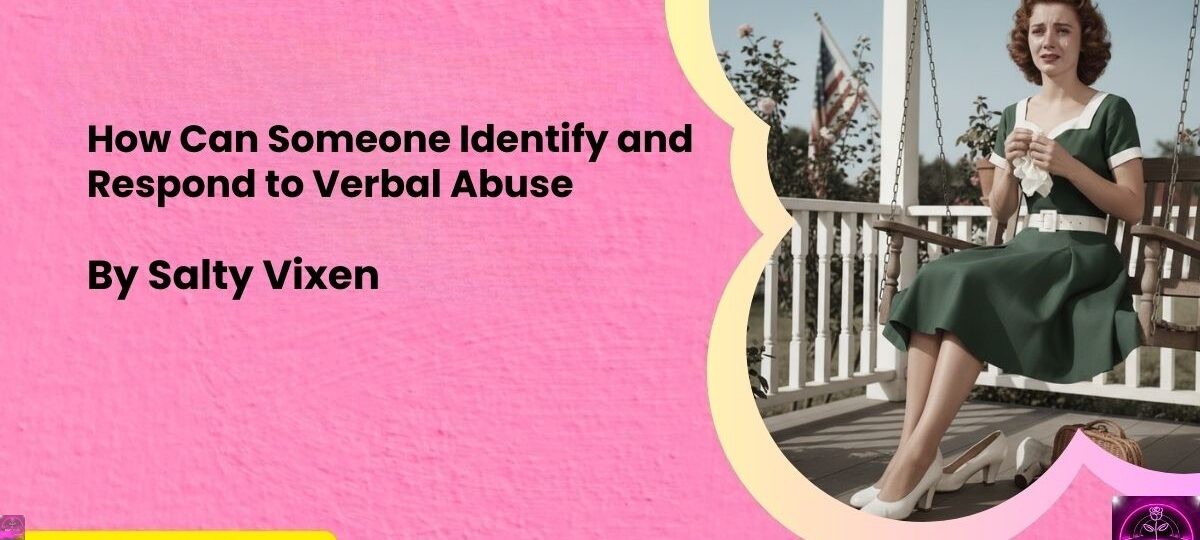

How Can Someone Identify and Respond to Verbal Abuse in 2026?
Verbal abuse remains a pervasive and insidious form of mistreatment in relationships, often overshadowed by its more visible counterpart, physical abuse. Unlike bruises or scars, verbal abuse wounds the psyche—eroding self-worth, creating anxiety, and damaging long-term mental health.
Why Verbal Abuse Is Hard to Recognize
In long-term relationships, verbal abuse exploits trust and emotional closeness. A partner may demean or intimidate while appearing outwardly caring, causing victims to doubt their own perceptions.
Common Signs of Verbal Abuse
Name-Calling and Put-Downs
Insults framed as jokes or "honesty" slowly dismantle confidence. Comments like "You're too sensitive" or "Why can't you be normal?" are red flags.
Shaming and Mockery
Public humiliation, sarcasm, or minimizing achievements creates deep emotional damage and social withdrawal.
Yelling and Intimidation
Explosive anger conditions victims to live in fear, activating chronic stress responses linked to anxiety and physical illness.
Psychological Impact
- Depression & anxiety
- Low self-esteem
- Chronic stress symptoms
- Isolation from support systems
Responding to Verbal Abuse
Recognize It's Not Your Fault
Abuse is never justified. Naming it breaks the cycle of self-blame.
Set Boundaries
Clear statements like "This language is unacceptable" help reclaim power.
Seek Support
Therapy, trusted allies, and domestic violence resources provide validation and safety.
Recovery and Healing
With support, education, and boundaries, survivors can rebuild self-trust and emotional safety. Healing is possible—even after years of verbal harm.