
Overview
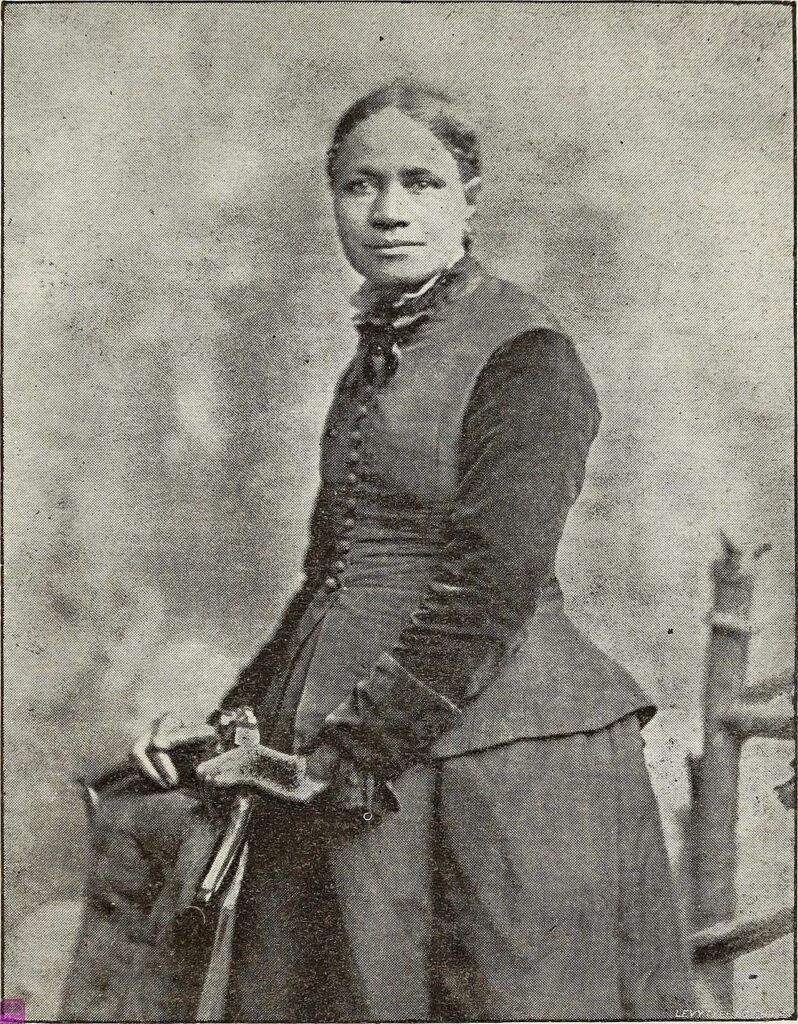
Frances Ellen Watkins Harper (1825–1911) was an internationally renowned African American author, poet, orator, and activist. She inspired generations through her powerful poetry, fiction, essays, and speeches that called for social change, abolition of slavery, women’s rights, temperance, and racial uplift. Often called the “mother of African American journalism,” Harper was one of the first Black women to publish widely in both African American and mainstream publications. Her writings addressed racism, sexism, and moral issues, appearing in newspapers and journals across racial lines.
One of her most enduring quotes captures her core belief: “No nation can gain its full measure of enlightenment…if one-half of it is free and the other half is fettered.” This reflected her lifelong commitment as an educator, writer, and reformer who fought for justice across intersecting lines of race, gender, and morality.
Major Accomplishments
- 1845: Published her first book of poems, Forest Leaves (also known as Autumn Leaves).
- 1854: Released Poems on Miscellaneous Subjects, which sold over 10,000 copies—a remarkable achievement for any poetry collection at the time, especially by a Black woman writer.
- 1857–1858: Became the first woman to teach at Union Seminary (now Wilberforce University).
- 1859: Served as editor and contributor to the Anglo-African Magazine, one of the first African American literary journals.
- 1883: Appointed director (or superintendent) of the Northern United States Temperance Union (and later roles in the Women’s Christian Temperance Union).
- 1892: Published her best-selling novel, Iola Leroy, or Shadows Uplifted—one of the first novels by an African American woman.
- 1896: Co-founder of the National Association of Colored Women (NACW), serving as vice president from 1895 to 1911.
Early Life
Born September 24, 1825, in Baltimore, Maryland, to free Black parents, Frances Ellen Watkins was orphaned by age three after both parents died. She was raised by her uncle, William Watkins, a prominent teacher and abolitionist who ran the Academy for Negro Youth. There, she received a strong education. At age 14, she began working as a domestic servant for a Quaker family in Baltimore. This household gave her access to books and literature, sparking her early writing career—she began publishing poems in local newspapers. In 1845, at age 20, her first poetry collection, Forest Leaves, appeared.
Abolitionist Work and Migration
The Fugitive Slave Act of 1850 forced Harper and her family to leave Baltimore for free states. They settled briefly in Ohio, where she taught sewing at Union Seminary (now Wilberforce University). In 1851, she moved to Philadelphia and worked closely with William Still, a key figure in the Underground Railroad, helping escaped enslaved people reach freedom.
Harper continued writing amid her activism. In 1854, she published Poems on Miscellaneous Subjects, her most commercially successful work, which tackled both racial oppression and the effects of sexism on women. That same year, she launched her lecturing career for the abolitionist cause, traveling widely before the Civil War to speak on slavery’s horrors. In her famous speech “Our Greatest Want,” she urged action: “Our greatest need is not gold or silver, talent or genius, but true men and true women… We have millions of our race in the prison house of slavery, but have not yet a single Moses in freedom.”
Personal Life and Post-War Activism
In 1860, Harper married Fenton Harper, an Ohio farmer and widower with three children. They had one daughter together, Mary (who died in 1908). Fenton died in 1864, leading to the loss of their farm, and Harper returned to lecturing to support her family. Through the Civil War and Reconstruction, she spoke nationwide—first against slavery, then for educating freed African Americans and rebuilding society.
After emancipation, Harper shifted focus to women’s rights. She collaborated with Susan B. Anthony and Elizabeth Cady Stanton in the suffrage movement but supported the Fifteenth Amendment (granting Black men the vote in 1870), arguing that Black communities urgently needed political power for civil rights protection—even if it meant prioritizing race over gender temporarily. She advocated for universal suffrage and empowerment for women of all races.
Harper also fought immorality and alcohol abuse. In 1873, she became Superintendent of the Colored Section of the Philadelphia and Pennsylvania Women’s Christian Temperance Union. A devoted member of the African Methodist Episcopal Church, she taught Sunday school at Mother Bethel AME Church.
In 1896, she helped found the National Association of Colored Women (NACW), uniting Black women’s clubs to address education, moral uplift, and anti-racism efforts. She served as vice president until 1911.
Legacy
Frances Ellen Watkins Harper died on February 22, 1911, in Philadelphia, Pennsylvania, at age 85—just nine years before the Nineteenth Amendment granted women nationwide suffrage. She is buried in Eden Cemetery alongside her daughter, Mary.
Her work as a poet, novelist, journalist, and orator made her a trailblazer in African American literature and activism. She bridged abolitionism, women’s rights, temperance, and racial justice, leaving a lasting impact on equality movements.


This is an original creative work by Salty Vixen. This story/article, including its characters, plot, and descriptive content, is protected by copyright law. Unauthorized copying, sharing, reposting, or reproduction in any format is strictly prohibited. This content may not be used for AI training, data scraping, machine learning, or any form of artificial intelligence development without explicit written permission from © 2026 Salty Vixen Stories, Inc. — All rights reserved.. Violators will be pursued to the fullest extent of the law.
