

Gender Identities: Canvas, Tide, and Root
The Canvas (Aesthetic Experience of Self)
Modern concept rooted in 2010s online communities. It describes gender experienced through aesthetics, sensory qualities, and artistic beauty—light, texture, color, atmosphere. Coined around or before 2016 as part of xenogender explorations. Personally, it is the frame for seeing beauty in shadows and resilience, like Gotham’s twilight.
The Tide (Emotional Flow of Self)
Niche/emerging understanding influenced by emotional states. Draws from gender fluidity ideas in contemporary discussions. The sense ebbs and flows with inner weather—calm steadiness or stormy sharpness—emphasizing navigation of emotions as part of identity.
The Root (Living Connection of Self)
Part of nature-connected explorations. Ties gender to biology, ecology, and the organic web of life—growth cycles and resilience in urban grit. Highlights belonging to the living world, reinterpreted through modern identity frameworks since the mid-2010s.
These are personal ways of naming inner experience. They emerged from online communities seeking new language and evolve through individual stories.
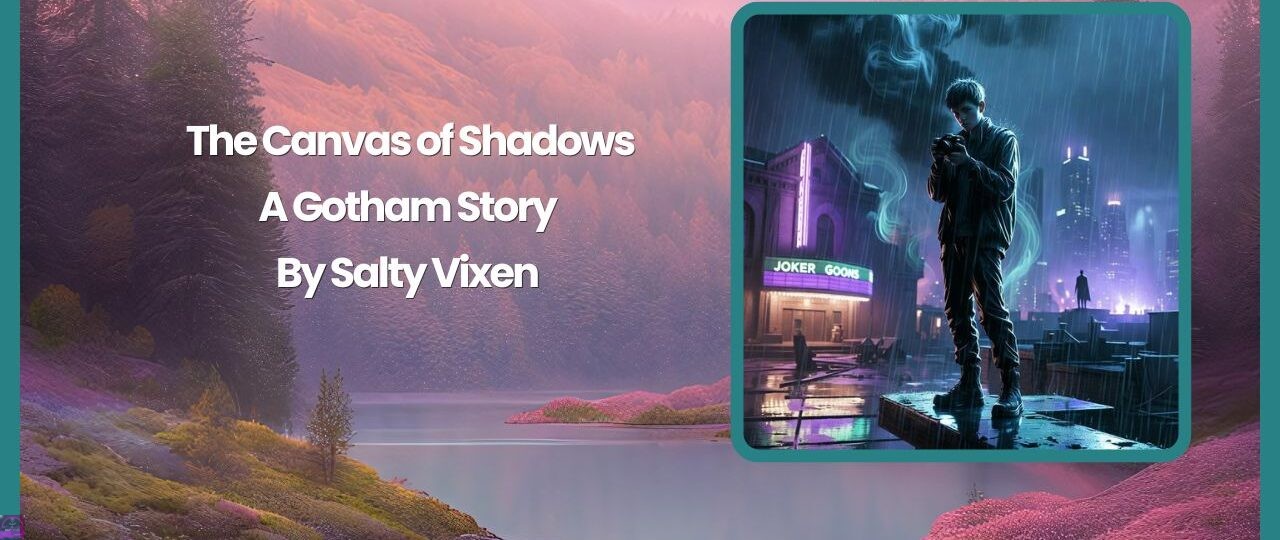
In the shadowed heart of Gotham City, where the rain never quite stopped and the gargoyles on old buildings seemed to whisper secrets to the night, lived a seventeen-year-old named Raven Holt. They moved through the wet streets like a shadow themselves, camera in hand, always searching for the perfect shot that captured the city’s hidden soul. Raven didn’t fit the usual boxes people tried to put them in. Their sense of self wasn’t a simple label from a form or a locker room sign. It was something deeper, pieced together from late-night thoughts, old zines found in the back of used bookstores, and the way their heart beat in time with the city’s restless pulse.
Raven thought of it as the Canvas—the way the world painted itself in layers of light and shadow, beauty in decay, the art of the city’s eternal twilight. Not fitting boy or girl, but something mysterious and layered, shifting like the moods of Gotham itself. When they looked in the mirror, they saw potential for the frame to change with the light: dark velvet one day, electric blue the next.
But it wasn’t static. Raven also knew it as the Tide—the way emotions colored their inner world like weather on the sea. When calm in the apartment above the bookstore, journal open, it felt steady and warm. When fear gripped them, the Tide rose sharp and vibrant, like lightning. The feeling danced with the emotions inside, anger making it fierce, hope making it expansive. Raven had learned to navigate the shifts like a sailor on Gotham’s stormy waters, using them as a compass.
And then there was the Root—the deep connection to the living pulse beneath the concrete, the heartbeat of weeds pushing through cracks, pigeons in flight, the breath of the city. Raven felt it as part of the organic web, tied to growth and survival. In Robinson Park’s garden, touching soil, they sensed the Root humming: life persists. It made them protective of the resilient things in Gotham’s grit.
These weren’t just private metaphors for Raven. They were a map to navigate a world that often felt too rigid, too full of people who wanted easy answers. At Gotham City High, Raven kept mostly to themselves. Some kids whispered about the “weird one” who dressed in layers of black and deep greens, sketched in class instead of taking notes, and spoke of self in ways that sounded like half-remembered poetry. Raven didn’t argue. They just lived it. Their aunt Mara, a night-shift nurse at Gotham General, supported them quietly. “As long as you’re safe and kind, kid,” she’d say over microwave dinners. “The world’s got enough boxes. You make your own.”
It was a rainy Tuesday in late October when everything changed. Raven was out later than usual, chasing the perfect shot for their personal project: “Veils of Gotham”—photographs exploring how the city revealed and hid itself in rain and shadow. The streets near the old theater district were quiet, the kind of quiet that in Gotham meant trouble was brewing just out of sight.
Raven crouched behind a dumpster in an alley off 5th and Kane, adjusting the aperture to capture how a single streetlamp turned falling rain into streaks of gold against the purple-black sky. That’s when they heard it—the low rumble of a van, doors slamming, voices that didn’t belong to regular street muscle.
“Move it, boys. Boss wants this one perfect. No mistakes, or it’s back to the drawing board with the boss’s special smile.”
Raven peeked. Three men in mismatched purple and green accents—Joker’s goons. They were unloading crates from a black van in front of the boarded-up Majestic Theater. One crate bore a biohazard symbol half-covered by a spray-painted grin. The goons laughed too loudly, like hyenas in the wet dark.
Raven’s heart kicked. Everyone knew the stories about the Joker: acid, toxin, the endless game with the Batman. They raised the camera, zooming in on details—the tear in a jacket like a bat silhouette, serial numbers on crates, green dye running in the rain like cheap tears.
Click.
One goon snapped around. “Hey! Who’s there?”
Raven ran. The Tide surged inside—fear electric and urgent. Boots splashed. Goons pursued. Raven knew these alleys from years of photo walks: which fire escapes held, which rooftops connected. They darted, climbed, leaped across slick surfaces. The Root steadied them as they touched wet brick, feeling the city’s stubborn life beneath the neglect.
They reached Robinson Park’s edge, slipping into a grove near the old greenhouse. Under dripping leaves, the Root grounded them. The fear ebbed. Raven sat, journal out, writing by flashlight: “Tonight the Canvas shifted. Ugly-beautiful chase in the rain. The Tide turned fear into clarity. The Root breathed with the trees. Chaos won’t frame me.”
They sent an anonymous tip with the photo to a known Batman network. Then home to the apartment above “The Dusty Page.”
The next morning, news broke: Batman had foiled goons at the theater. The crates were for a new toxin mixing fear with perception-warping agents—distorting how people saw themselves and the world, causing identity panic. Joker’s plan targeted the Harvest Festival.
Raven felt the pieces click. Their way of seeing—the Canvas eye for hidden patterns, the Tide for emotional undercurrents, the Root for what lived beneath—had spotted what others missed.
At school, whispers faded a bit. In art class, Raven sketched the alley not as violence but as light on tire tracks in mud—a composition of pursuit and endurance.
After school, the garden. Weeding helped. There, they met Jordan, new volunteer, lanky with a quick smile. They bonded over dirt and city talk. Jordan was open in that Gotham way—seen too much to judge fast.
“You seem different,” Jordan said one day. “In a good way. Like you notice things.”
Raven shared carefully. “I see the world through my own frames—the Canvas for beauty in the grit, the Tide for how feelings move me, the Root for the living pulse underneath. It’s not standard, but it’s mine.”
Jordan nodded. “Solid. Strong. Makes sense you caught that clue.”
Over days, friendship grew. Texts about school, Joker’s threats. The festival neared. Raven sensed more coming—the staged chaos nagged at the Canvas like a bad composition.
One evening, a news riddle from Joker: “What has a smile but no face, a joke but no punchline, and will make Gotham see itself in the funhouse mirror? The answer is in the green, the purple, and places where life hides its beauty.”
The park. Raven and Jordan investigated. Fresh graffiti led to a hidden cache—test device. Raven disabled it, the Root guiding careful hands. Then Batman appeared.
“You sent the tips,” the Dark Knight said, voice gravel. “Helped.”
Raven explained. Batman warned of the main plan at the festival. Gave an earpiece. “Observe. Signal if you see weakness.”
The festival buzzed with lights and crowds. Raven moved through, Jordan as backup. The “art installation” on stage hummed wrong. Goons lurked. Toxin test waves hit—people laughing or panicking oddly.
Raven signaled Batman, then acted—cutting cables under the stage, jamming vents. Chaos erupted. Joker appeared, monologuing.
Raven confronted from the edge: “Your ‘art’ is wrong. Real beauty has layers that mean something. Life endures the cracks.”
Words cut through haze for some. Batman took down the clown. Raven helped disable the last parts. The threat ended.
After, Batman nodded. “Gotham needs eyes like yours.”
Jordan hugged them. “You stayed true through it all.”
In the quiet walk home, Raven reflected. The Canvas framed the victory in shadow and light. The Tide settled to pride. The Root felt the city’s persistent life.
In the journal: “The Canvas, Tide, and Root aren’t burdens. They’re how I see, feel, and endure. Chaos tried to warp us. But we persist.”
Days later, the garden thrived with new volunteers. Raven’s photos went into a small exhibition—”Veils and Visions.” School eased. A new lens arrived anonymously—”For eyes that see what others miss.”
Raven and Jordan sat on the rooftop one night. “Your way of seeing saved people,” Jordan said.
Raven smiled faintly. “It’s just how I’m built. The Canvas for the picture, the Tide for the current, the Root for the ground underfoot.”
Gotham hummed below—sirens distant, lights flickering. Raven stood, camera ready. The city had its secrets, its crimes, its quiet heroes. Raven Holt, with their inner frames, was one more thread in the weave.
The story of shadows and self in Gotham wasn’t over. But for now, the rain had eased, and the Canvas held steady.
The End


This is an original creative work by Salty Vixen. This story/article, including its characters, plot, and descriptive content, is protected by copyright law. Unauthorized copying, sharing, reposting, or reproduction in any format is strictly prohibited. This content may not be used for AI training, data scraping, machine learning, or any form of artificial intelligence development without explicit written permission from Salty Vixen Publishing LLC. Violators will be pursued to the fullest extent of the law.
