

Who was the father of Black history?
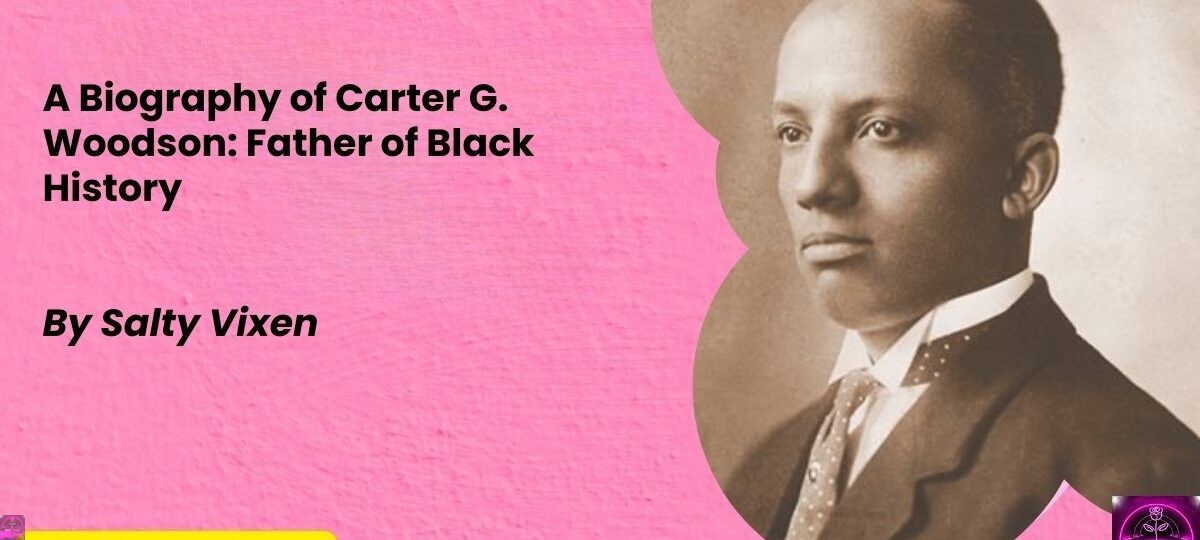
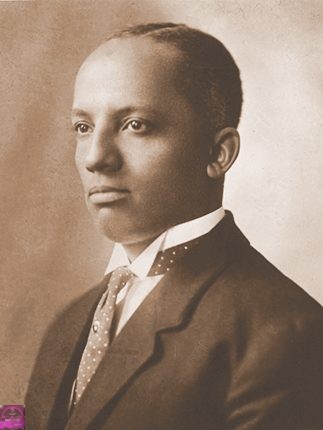
Carter Godwin Woodson (December 19, 1875 – April 3, 1950) is widely recognized as the “Father of Black History.” Born to formerly enslaved parents in New Canton, Virginia, he pioneered the academic study of African American history at the turn of the 20th century. Through relentless scholarship, institution-building, and advocacy, Woodson challenged the erasure of Black contributions from mainstream narratives and laid the foundation for what became Black History Month. In 2026, we mark the 100th anniversary of his 1926 launch of Negro History Week—the direct precursor to today’s nationwide observance—under the ASALH theme “A Century of Black History Commemorations.”
Childhood and Early Struggles
The seventh of nine children born to James and Anna Eliza Woodson (both formerly enslaved), Carter grew up on a modest 10-acre tobacco farm near the James River in Virginia. Like many rural families in the late 19th century, the Woodsons relied on their children’s labor for survival, leaving little time for formal education. Woodson attended a short-term school run by his uncles when possible and taught himself to read using the Bible and his father’s newspapers.
As a teenager, he moved with his family to West Virginia and worked in coal mines in Nuttallburg to support them. Despite grueling conditions, he continued self-education in spare moments, reading classics like Cicero and Virgil.
Education and Early Career
At age 20, Woodson enrolled at Frederick Douglass High School in Huntington, West Virginia, completing the program in under two years. He went on to earn a bachelor’s degree from Berea College in Kentucky (1903), then taught high school while pursuing further studies. He earned additional bachelor’s and master’s degrees from the University of Chicago in 1908.
Woodson briefly taught in the Philippines (as an education superintendent under U.S. administration) and traveled through Europe and the Middle East, broadening his global perspective. In 1912, he became the second African American (after W.E.B. Du Bois) to earn a Ph.D. in history from Harvard University—the first child of enslaved parents to do so.
Founding the Field of African American History
Woodson confronted a historical profession dominated by white scholars who often dismissed or ignored Black experiences. One Harvard professor claimed “the Negro had no history,” reflecting widespread bias in textbooks that focused on white, affluent narratives.
His first major work, The Education of the Negro Prior to 1861 (1915), highlighted Black resilience and pursuit of knowledge under adversity. That same year, inspired by a Chicago emancipation anniversary event, Woodson co-founded the Association for the Study of Negro Life and History (ASNLH, now ASALH—the Association for the Study of African American Life and History) with four colleagues. The organization aimed to promote rigorous scholarship, racial understanding, and public education on Black history.
In 1916, ASALH launched The Journal of Negro History (now The Journal of African American History), still published today. Woodson held academic roles, including dean at Howard University’s School of Liberal Arts (where he created one of the first formal African American history courses) and positions at West Virginia State. By 1922, he retired from teaching to focus fully on scholarship, establishing ASALH headquarters in Washington, D.C.
His prolific output included A Century of Negro Migration (1918), The History of the Negro Church (1921), The Negro in Our History (1922), and his influential The Mis-Education of the Negro (1933), critiquing systemic barriers in education.
Woodson’s Legacy and Black History Month
Woodson’s most enduring contribution came in 1926: he launched “Negro History Week” during the second week of February, chosen for Abraham Lincoln’s (February 12) and Frederick Douglass’s (February 14) birthdays. The initiative spread rapidly, with educators adopting materials Woodson and ASALH provided.
He dedicated his life to sustaining this work amid funding shortages and hostility from some historians. Woodson died suddenly of a heart attack on April 3, 1950, at age 74 in his Washington, D.C., home (now the Carter G. Woodson Home National Historic Site, scheduled to reopen in 2026 for the centennial).
He did not witness Brown v. Board of Education (1954) or the 1976 expansion of his week into federally recognized Black History Month. Yet his efforts empowered generations, making figures like Crispus Attucks and Harriet Tubman integral to U.S. history curricula. Today, ASALH continues his mission, and 2026’s centennial theme reflects on how his commemorations have shaped inclusive, accurate narratives worldwide.
References
- ASALH official site (asalh.org)
- Britannica: Carter G. Woodson biography
- National Park Service: Carter G. Woodson Home
- Wikipedia and History.com (cross-referenced)
- Recent coverage: Dallas Weekly, Black History Month UK, and Harvard Legacy of Slavery Initiative
