

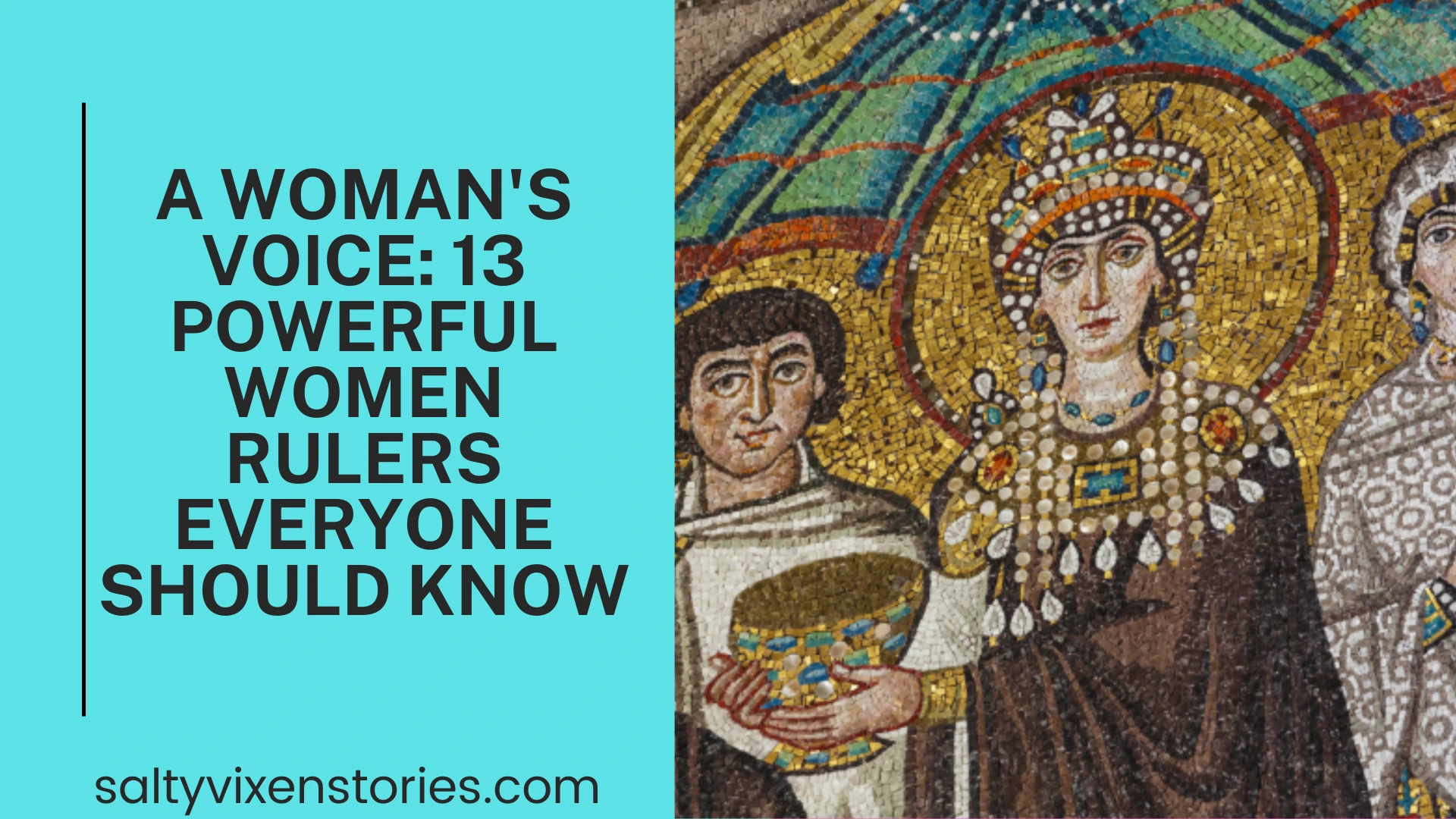
A Woman’s Voice Series: Today we will talk about 13 Powerful Women Rulers Everyone Should Know. For almost all of written history, almost all times and places, men have held most of the top ruling positions. For a variety of reasons, there have been exceptions, a few women who held great power. If you want to demonstrate basic historical literacy, you’ll want to know about at least these powerful women rulers — key queens, pharaohs, empresses, listed chronologically in the next pages, from earliest to latest..
Hatshepsut- B. Ancient Egypt – D. January 16, 1458 BC
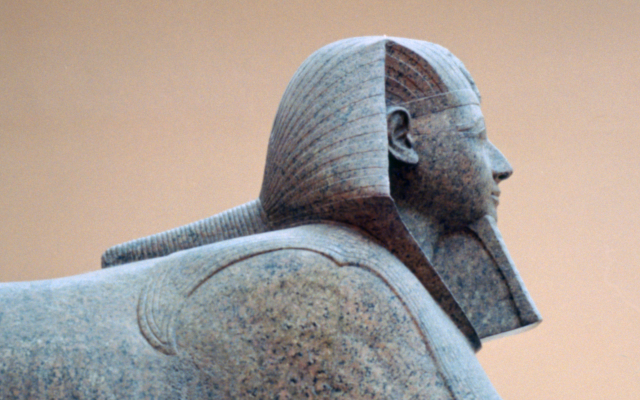
Long before Cleopatra reigned over Egypt, another woman held the reins of power: Hatshepsut. We know her mainly through the major temple built in her honor, which her successor and stepson defaced to try to erase her reign from memory.
Cleopatra VII, Queen of Egypt- B. January 69 BC – D. August 30, BC
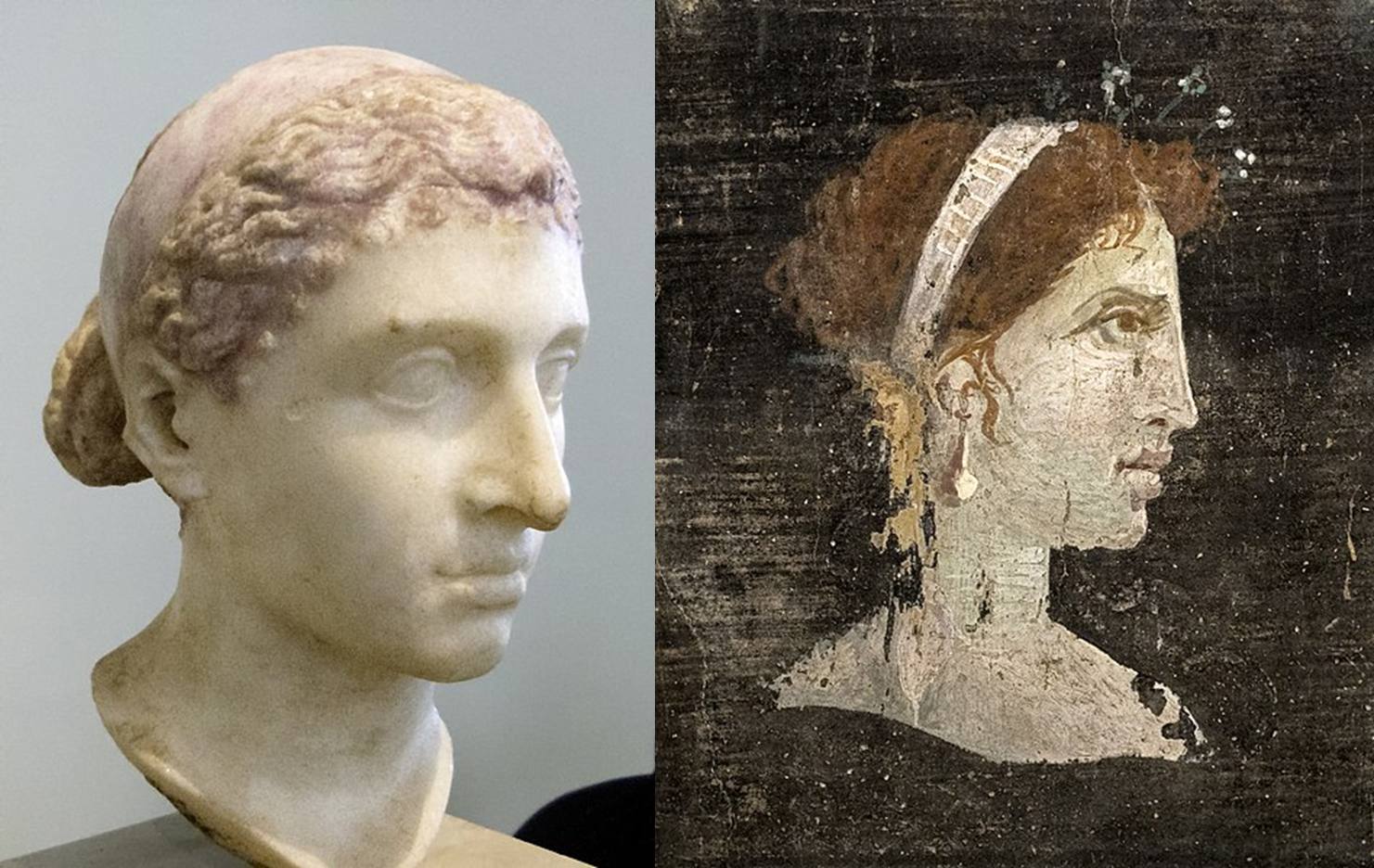
Cleopatra was the last Pharaoh of Egypt, and the last of the Ptolemy dynasty of Egyptian rulers. As she tried to keep power for her dynasty, she made famous (or infamous) connections with Roman rulers Julius Caesar and Marc Antony.
Empress Theodora-B. C. 500 AD- D. June 28, 548 AD
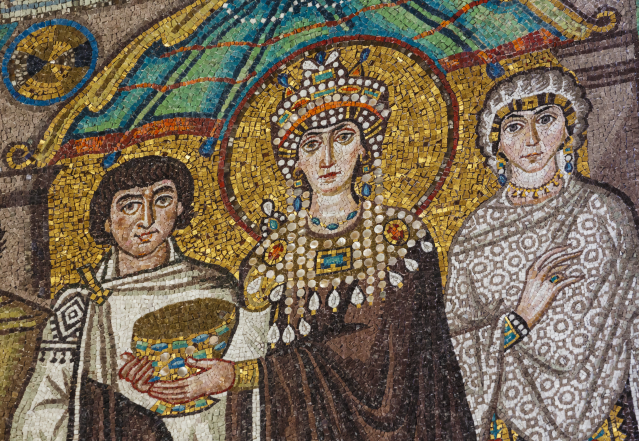
Theodora, empress of Byzantium from 527-548, was probably the most influential and powerful woman in the empire’s history.
Amalasuntha- B. 498 AD- D. April 30, 535 AD
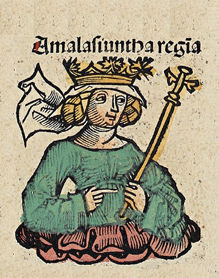
A real Queen of the Goths: Amalasuntha was Regent Queen of the Ostrogoths; her murder became the rationale for Justinian’s invasion of Italy and defeat of the Goths. Unfortunately, we have only a few very biased sources for her life.
Empress Suiko-B. 554 AD- D. April 15, 628 AD
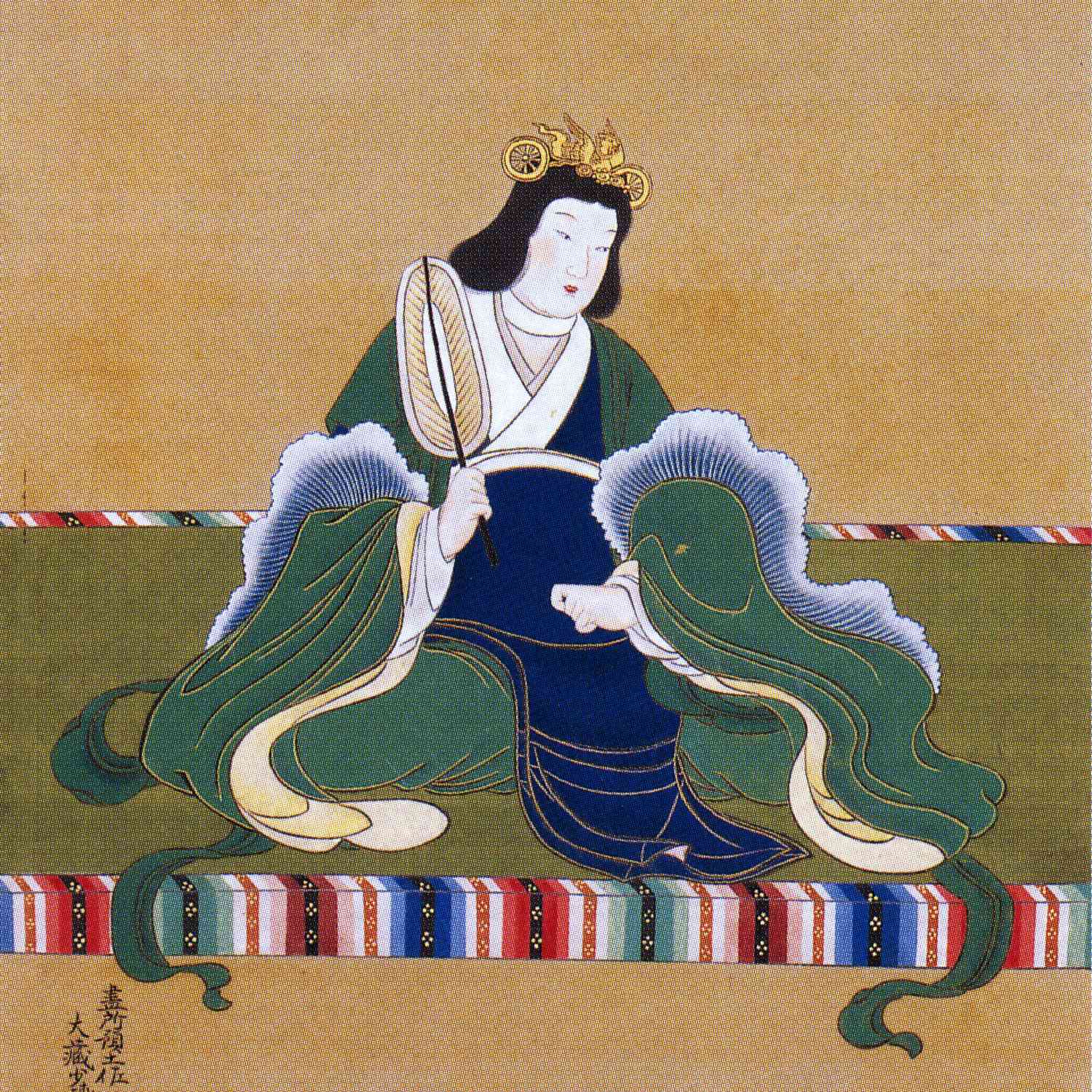
Although the legendary rulers of Japan, before written history, were said to be empresses, Suiko is the first empress in recorded history to rule Japan. During her reign, Buddhism was officially promoted, Chinese and Korean influence increased, and, according to tradition, a 17-article constitution was adopted.
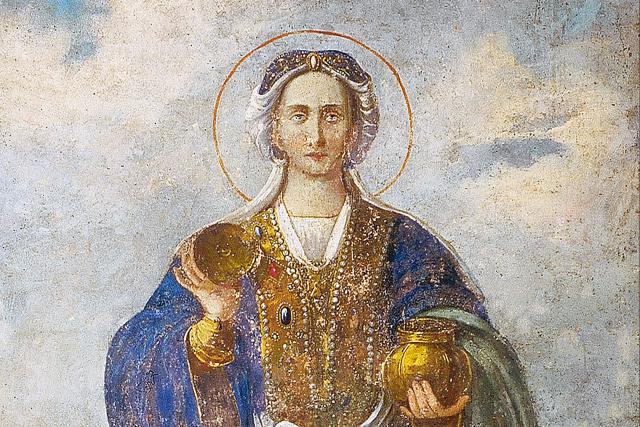
Olga of Russia (Born c. 890-935. Died. 11 July 969)
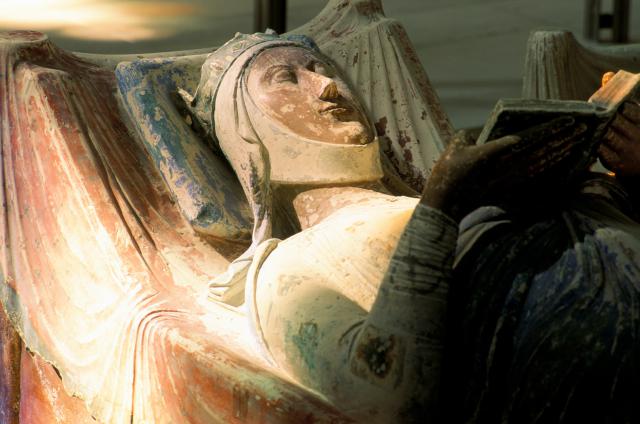
Catherine the Great -B. May 3, 1729- November 17, 1796
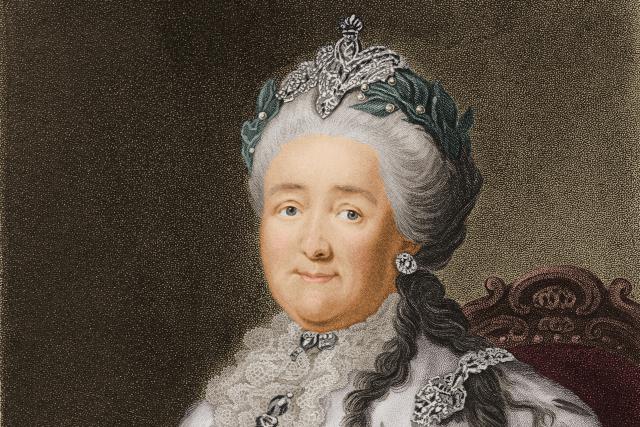
During her reign, Catherine II of Russia modernized and westernized Russia, promoted education, and expanded Russia’s borders.
Queen Victoria: B. May 24, 1819 – D. January 22, 1901
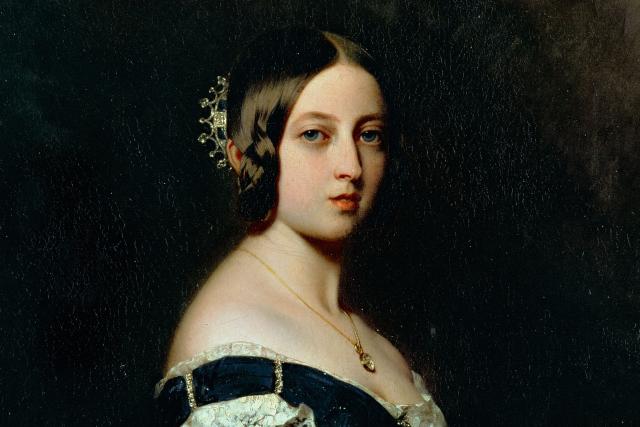
Alexandrina Victoria was the only child of the fourth son of King George III, and when her uncle William IV died childless in 1837, she became Queen of Great Britain. She’s known for her marriage to Prince Albert, her traditional ideas on the roles of wife and mother which often conflicted with her actual exercise of power, and for her waxing and waning popularity and influence.
Cixi (or Tz’u-hsi or Hsiao-ch’in)- B. November 29, 1835-D. November 15,1908
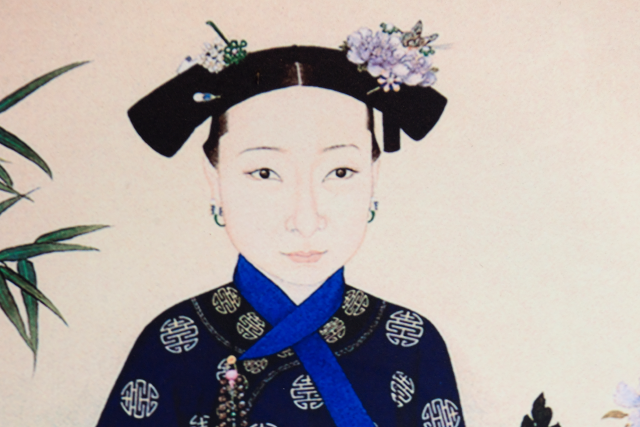
The last Dowager Empress of China: however you spell her name, she was one of the most powerful women in the world in her own time — or, perhaps, in all of history.
