
Introduction
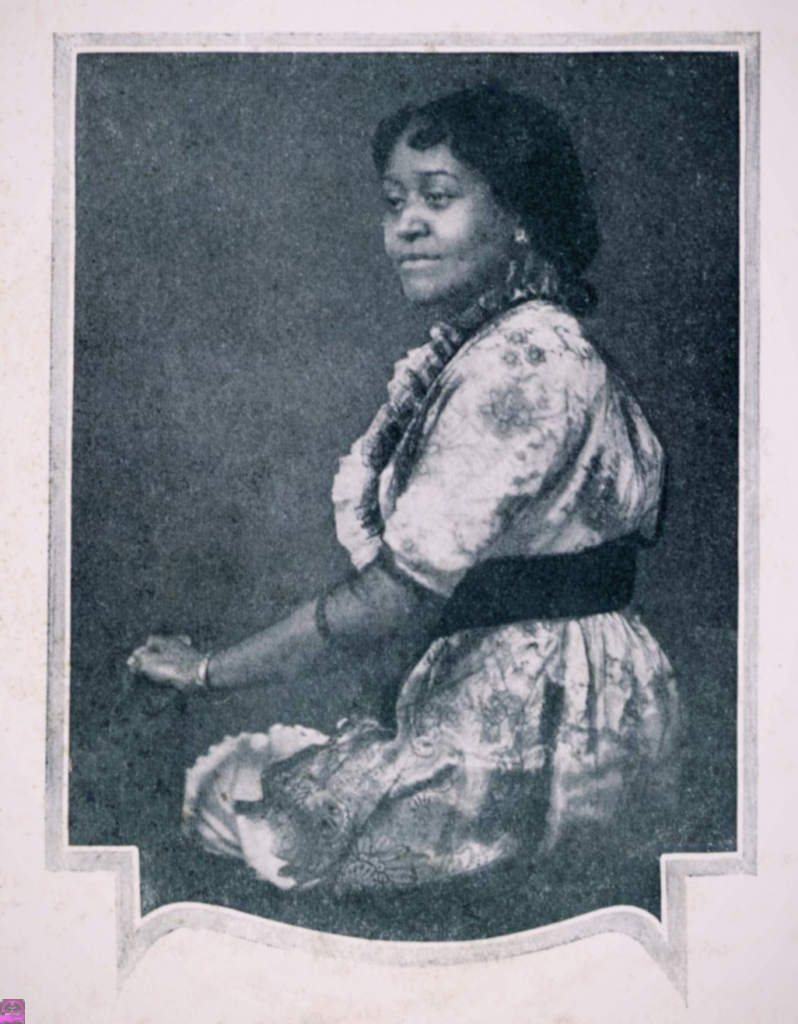
Annie Minerva Turnbo Malone (August 9, 1877 – May 10, 1957) stands as one of the most remarkable yet underrecognized figures in American entrepreneurial history. A self-taught chemist, inventor, business magnate, and philanthropist, she built an empire in the hair care and beauty industry tailored specifically to African American women during an era of profound racial and gender barriers. Founding Poro College—a multifaceted institution that combined manufacturing, education, retail, and community services—she not only created wealth but also empowered thousands of Black women economically and socially. Often overshadowed in popular narratives by her former agent, Madam C.J. Walker, Malone is credited by historians as one of the first self-made female Black millionaires, with her business at its peak generating immense revenue and employing tens of thousands globally.
Born to formerly enslaved parents in the post-Civil War South, Malone rose from humble beginnings in Illinois to become a symbol of Black excellence and resilience. Her innovations in non-damaging hair products revolutionized beauty standards for African American women, challenging damaging practices prevalent at the time. Through Poro, she fostered self-reliance, professional training, and community upliftment, donating generously to orphanages, universities, and civic causes. Despite facing personal tragedies, divorces, legal battles, and economic downturns that eroded much of her fortune, her legacy endures through institutions named in her honor, annual parades, and ongoing recognition in Black history.
This biography explores Malone’s life in depth: her early struggles, inventive breakthroughs, business triumphs, philanthropic impact, personal challenges, and enduring influence on American entrepreneurship and civil rights-era upliftment efforts.
Early Life and Family Background
Annie Minerva Turnbo was born on August 9, 1877, in Metropolis, Illinois, a small river town in Massac County near the Ohio River. She was the tenth of eleven children born to Robert Turnbo and Isabella (Cook) Turnbo, both formerly enslaved in Kentucky. Robert had served in the Union Army during the Civil War with the 1st Kentucky Cavalry, fighting for freedom and union preservation. Isabella, escaping the bonds of slavery in a border state where slavery persisted despite Kentucky’s neutrality, fled with her children down the Ohio River to the free state of Illinois, reuniting with her husband.
The Turnbo family faced the hardships common to many Black families in the Reconstruction era: poverty, limited opportunities, and the lingering shadow of slavery. Annie’s parents died when she was young—likely in her childhood or early teens—leaving her orphaned. She was raised by older siblings, a common practice in extended Black families during this period. Living in Metropolis, she attended local public schools, where she demonstrated early curiosity and aptitude, particularly in scientific subjects.
Annie Turnbo Malone: Frequently Asked Questions
Who was Annie Turnbo Malone?
Annie Turnbo Malone (1869–1957) was a pioneering African American entrepreneur, philanthropist, and inventor. she developed a line of hair care products specifically for Black women and founded Poro College, which became a global empire for beauty and business training.
Was Annie Malone the first Black female millionaire?
Many historians credit Annie Malone as the first Black female millionaire in the U.S., predating her contemporary Madam C.J. Walker. By the 1920s, her net worth was estimated in the millions due to the massive success of her Poro products and distribution network.
What was the connection between Annie Malone and Madam C.J. Walker?
Madam C.J. Walker (then Sarah Breedlove) was originally one of Annie Malone’s sales agents. Walker learned the hair care trade and the “Poro Method” while working for Malone before moving to Denver to start her own independent hair care business.
What was Poro College?
Founded in 1918 in St. Louis, Poro College was a beauty school and manufacturing facility. It served as a community hub, providing jobs and business education to thousands of Black women. It included a retail store, business offices, an auditorium, and even a dormitory.
What is Annie Malone’s philanthropic legacy?
Malone was a massive donor to HBCUs (including Howard University), the YMCA, and the St. Louis Colored Orphans Home (now the Annie Malone Children and Family Service Center). At the peak of her wealth, she was known for supporting virtually every Black charity in existence at the time.
In 1896, at around age 19, Annie moved to Peoria, Illinois, to live with her older married sister, Ada Moody. Peoria offered more opportunities than rural Metropolis, and Annie enrolled in high school. She excelled in chemistry, a field that would later define her career. However, frequent illnesses interrupted her studies, forcing her to withdraw before graduation. This health setback proved pivotal; while convalescing, she began experimenting with hair care alongside her sister, who practiced hairdressing.
At the time, African American women often used harsh, makeshift methods to manage or straighten hair: heavy oils, animal fats like goose grease or bacon grease, harsh soaps, or even lye-based concoctions that damaged scalps and strands. Annie observed these issues firsthand and sought gentler alternatives. Her early experiments laid the foundation for her future innovations, blending practical knowledge with her chemical interest.
By the turn of the century, Annie and her siblings relocated to Lovejoy (now Brooklyn), Illinois, a historic all-Black town founded by freed slaves. Here, she honed her skills as a “beauty doctor,” developing scalp treatments and hair growers. She began selling her creations door-to-door, traveling in a buggy and demonstrating products personally—a grassroots marketing approach that built her initial customer base.
Development of Hair Care Innovations
Malone’s breakthrough came in the early 1900s with her invention of “Wonderful Hair Grower,” a non-damaging formula designed to promote hair growth, nourish the scalp, and straighten hair without the destruction caused by prevalent methods. Unlike competitors’ products, which often burned or weakened hair, her preparations used safer ingredients informed by her chemistry knowledge.
She trademarked her line under “Poro,” a name with debated origins—possibly combining “Annie Pope” (from her first marriage) and her sister Laura Roberts, or deriving from the Mende word for a West African secret society emphasizing physical and spiritual development. This branding reflected cultural pride and innovation.
Malone’s products included special oils, stimulants, shampoos, and straighteners that emphasized scalp health and natural beauty. She marketed them as empowering tools for Black women to achieve professional appearances and self-confidence in a discriminatory society. Her door-to-door sales and free demonstrations created loyalty, as customers saw immediate, gentle results.
In 1902, seeking greater opportunities, Malone moved to St. Louis, Missouri, settling in the vibrant Mill Creek Valley community. With three employees, she opened her first shop at 2223 Market Street. St. Louis, with its growing Black population and World’s Fair preparations in 1904, provided fertile ground. She advertised in Black newspapers, held news conferences, toured southern states, and trained women as agents—creating a network that distributed products nationwide.
One early agent was Sarah Breedlove (later Madam C.J. Walker), who joined around 1905–1906, selling Poro products in St. Louis and later Denver. A disagreement led Walker to leave and start her own line, sparking a long-standing (though often exaggerated) rivalry. Historians note similarities in products but credit Malone with pioneering the system Walker popularized.
Malone’s emphasis on quality, safety, and education distinguished her. She insisted agents demonstrate products properly and maintain high standards, fostering professionalism in a stigmatized field.
Marriage, Personal Life, and Challenges
Malone’s personal life intersected with her business. In 1902, she married Nelson Pope; the union ended in divorce by 1907, reportedly due to his attempts to control her enterprise—a common issue for women entrepreneurs.
On April 28, 1914, she married Aaron Eugene Malone, a former teacher and religious book salesman. He became Poro’s president, aiding expansion. The marriage lasted until 1927, when a bitter divorce ensued. Aaron claimed significant contributions and sought half the business value. The suit forced receivership, threatening collapse. With employee support and intervention from figures like Mary McLeod Bethune, Malone negotiated a $200,000 settlement, retaining control and affirming sole ownership.
Post-divorce, she relocated Poro’s headquarters to Chicago’s South Parkway (now Martin Luther King Jr. Drive), purchasing a city block. Additional lawsuits from former employees followed, compounding challenges.
Malone remained childless throughout her life, channeling energy into business and philanthropy. She lived modestly despite wealth, focusing on upliftment rather than extravagance.
The Rise of Poro College
Poro’s pinnacle arrived in 1918 with the opening of Poro College at 3100 Pine Street in St. Louis—a $350,000, three-acre complex valued over $1 million. Beyond a cosmetology school, it was a self-contained community hub: manufacturing plant, retail store, offices, 500-seat auditorium, dining rooms, roof garden, dormitory, gymnasium, bakery, chapel, laundry, seamstress shop, and emergency hospital.
The curriculum trained women in cosmetology, sales, and deportment—teaching walking, talking, dressing, and etiquette to enhance social mobility in Jim Crow America. It emphasized “race improvement” through positive self-image and professionalism.
Poro employed nearly 200 in St. Louis directly; through franchised agents and schools, it created jobs for up to 75,000 women across the U.S., Canada, Caribbean, Central/South America, Africa, and the Philippines. Agents operated in most states, including Alaska, spreading economic independence.
The college hosted civic events, banquets, lectures, and performances, serving as a social center where Black residents, denied access elsewhere, gathered. It housed organizations like the National Negro Business League and featured open houses showcasing excellence.
By the 1920s, Malone’s empire made her one of America’s wealthiest Black women, paying nearly $40,000 in income taxes in 1924—the highest in Missouri.
Philanthropy and Community Impact
Malone’s wealth fueled extraordinary philanthropy. She donated thousands to the local Black YMCA, Howard University College of Medicine (including a major $25,000 gift), and other HBCUs—often funding full-time students.
In 1919, she became president of the St. Louis Colored Orphans Home (1919–1943), donating $10,000 initially. In 1922, she purchased a facility at 2612 Goode Avenue (renamed Annie Malone Drive), upgrading it significantly. Today, it operates as the Annie Malone Children and Family Service Center, providing crisis housing, family support, and youth programs.
Her giving extended to churches, scholarships, and civic causes. She lobbied for paved streets in Black neighborhoods and supported anti-lynching and civil rights efforts indirectly through economic empowerment.
Malone’s model—business success tied to community reinvestment—inspired generations, proving Black entrepreneurship could drive social change.
Financial Peak, Decline, and Later Years
At her height in the 1920s, estimates placed Malone’s assets at around $14 million (though debated; some sources suggest company value contributed significantly). Adjusted for inflation, this equates to hundreds of millions today.
The 1927 divorce, Great Depression, lawsuits, and philanthropy eroded her fortune. In 1937, she sold St. Louis properties to settle claims. Relocating fully to Chicago, Poro continued but diminished.
By her death on May 10, 1957, from a stroke at Chicago’s Provident Hospital, her estate was valued at $100,000—bequeathed to nieces and nephews. She was 79 (some sources cite 87, due to birth year discrepancies between 1869 and 1877; 1877 is more commonly accepted). Buried at Burr Oak Cemetery in Alsip, Illinois, she left no direct heirs but a vast legacy.
Legacy and Honors
Malone’s influence persists. The Annie Malone Children and Family Service Center continues her work. St. Louis hosts an annual Annie Malone May Day Parade for children’s charities. Annie Malone Drive honors her.
She received honorary membership in Zeta Phi Beta Sorority and an honorary degree from Howard University. Featured in the 2019 documentary No Lye: An American Beauty Story and portrayed fictionally in Netflix’s Self Made (as Addie Munroe), her story gains renewed attention.
Historians recognize her as a trailblazer who predated and influenced Madam C.J. Walker, launching the modern Black beauty industry. Her emphasis on education, empowerment, and philanthropy set precedents for Black women’s entrepreneurship.
Expanding on Innovations and Industry Impact
Malone’s products addressed specific needs: scalp health amid poor hygiene access, gentle straightening for professional settings, and growth stimulants countering damage. Her mail-order system and agent network democratized access, especially in rural South.
Poro’s global reach—agents in Africa and the Philippines—highlighted international Black diaspora connections.
Rivalry with Madam C.J. Walker: Context and Facts
While often framed as rivalry, evidence shows professional divergence. Walker credited Malone’s training but innovated independently. Malone focused on education and scale; Walker on personal branding. Both advanced the industry.
Challenges of Race, Gender, and Era
Malone navigated Jim Crow racism, sexism in business, and economic volatility. Divorces highlighted patriarchal threats to women’s wealth. Her resilience—rebuilding in Chicago—exemplifies perseverance.
Poro’s Role in Black Community Building
Poro College was more than business: a safe space for culture, education, and networking amid segregation. Events promoted pride and unity.
Philanthropic Philosophy and Examples
Malone believed in “uplift the race” through economic independence. Donations to orphanages reflected personal orphanhood; university support advanced education denied her.
Conclusion
Annie Turnbo Malone’s life—from orphaned child to millionaire philanthropist—embodies the American dream realized against odds. Her innovations empowered Black women, her business created opportunity, and her giving transformed communities. Though fortune faded, her impact endures, inspiring modern entrepreneurs and reminding us of overlooked pioneers in beauty, business, and justice.
View References: Annie Turnbo Malone (Click to Expand)
Primary References & Citations
- • Annie Turnbo Malone. Shsmo Historic Missourians.
- • Ancestry.com. 1900 United States Federal Census. Metropolis, Illinois; Page: 4; ED: 0054.
- • Christensen, Lawrence O. (1999). Dictionary of Missouri Biography. University of Missouri Press.
- • Foussianes, Chloe (2020). “Did Self-Made Base Madam C.J. Walker’s Rival, Addie Monroe, on Annie Malone?” Town & Country.
- • Nittle, Nadra (2019). “Meet Annie Turnbo Malone, the hair care entrepreneur…” Vox.
- • Witzel, Morgen (2005). The Encyclopedia of the History of American Management. ISBN 1843711311.
- • Boyd, Herb (2018). “From slavery to hair industry millions—Annie Turnbo Malone”. Amsterdam News.
- • Halstead, Marilyn (2018). “From Metropolis to millionaire: Annie Malone…” The Southern.
- • Johnson, Erick (2018). “Who was Annie Malone?” Chicago Crusader.
- • Tabbey-Botchwey, Adom (2019). “Why this forgotten woman could be America’s first black millionaire…” Face2Face Africa.
- • Bailey, Diane Carol (2013). Milady Standard Natural Hair Care & Braiding. ISBN 978-1-133-69368-0.
- • Turner, Geneva C. (1952). “The Zeta Phi Beta Sorority, Inc”. Negro History Bulletin.
- • “Member Highlight (Honorary Members)”. Zeta Phi Beta Sorority, Incorporated.
- • “No Lye: An American Beauty Story”. Detroit Institute of Arts.
Further Reading
- Whitfield, John H. (2015). “A Friend to All Mankind”: Mrs. Annie Turnbo Malone and Poro College.
- Wilkerson, J.L. (2003). Story of Pride, Power and Uplift: Annie T. Malone.
