



Task scams are a specific type of online fraud that promises easy money for simple digital tasks. By understanding the key elements of a common scam document, you can quickly identify the fraud and protect yourself. This guide will walk you through a common scam document, using the “Deposit Reward” scheme as an example.
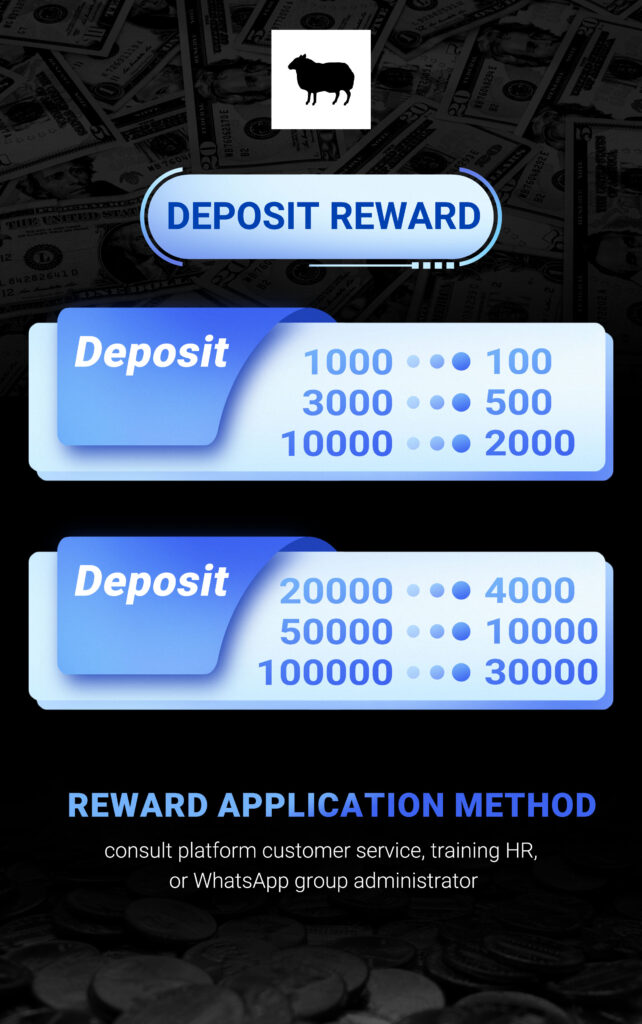
Part 1 of 3: The “Deposit Reward” and the Core Lie
1. Recognize the “Deposit Reward” as a major red flag. A legitimate job involves an employer paying an employee for their work. The term “Deposit Reward” is an immediate and critical sign of a scam because it inverts this relationship. The document asks you to pay them for a “reward” or return, which is a tactic used exclusively by fraudsters. The Federal Trade Commission (FTC) provides a detailed breakdown of how these types of job scams operate.
2. Be aware that the money is not an investment. The scam uses language that makes the “deposit” sound like an investment. In reality, it is a direct payment to the scammer. The “reward” shown is a fabricated number on a screen, with no intention of ever being paid out.
Part 2 of 3: Breaking Down the Numbers and Psychology
1. Watch for escalating deposit amounts. Scammers typically start with lower, more “palatable” amounts, like $1,000, to get you comfortable with the process of sending money. Once they have you hooked, the amounts quickly and dramatically increase, pushing you toward much larger deposits like $100,000. This is a deliberate psychological tactic known as “pig butchering,” where they gradually “fatten up” the victim before taking a massive amount of their money.
2. Be wary of unrealistic returns. The “rewards” promised are designed to be enticing but are completely fake. A promised return of 20% on a $10,000 deposit is a clear sign of a scam. No legitimate company would offer such high returns for simple tasks. These numbers are a form of bait, meant to convince you that you are on the verge of a huge payout.
Part 3 of 3: Decoding the “Reward Application Method”
1. Spot the lack of a formal process. Legitimate businesses have a clear, documented process for payroll and bonuses. The scam document, by contrast, directs you to “consult platform customer service, training HR, or WhatsApp group administrator.” The reliance on a chat group or a vague “customer service” contact is a huge red flag. It shows that there is no official, regulated company behind the scheme.
2. Identify the generic branding. Many scam platforms use generic, non-branded, or nonsensical logos to avoid being tied to a real company. This is a common tactic to operate without a traceable identity.
Summary: The “Deposit Reward” document is a tool of psychological manipulation. It’s designed to create a false sense of opportunity and trust while systematically pushing you to send larger and larger sums of money. By recognizing these red flags, you can identify the scam immediately and protect your finances. If you have been targeted, you should file a report with the FBI’s Internet Crime Complaint Center (IC3).
