
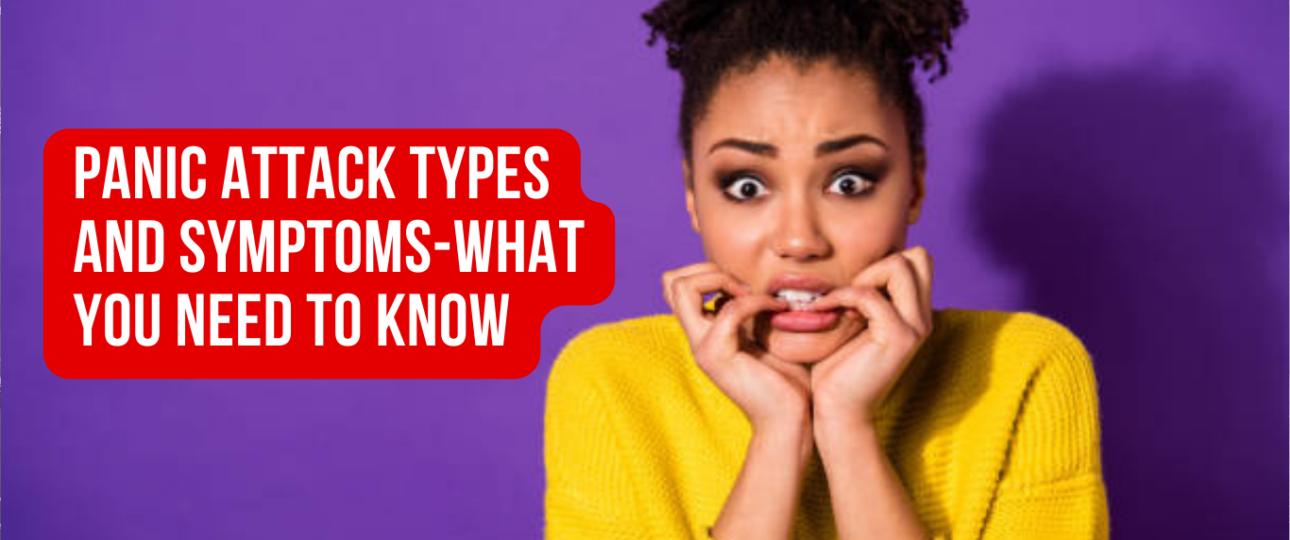
Panic attacks, is a common mental health problem. I am in my 40s, and as a kid, and I can also say for older generations, when we got panic attacks, instead of people helping us to calm down, they told us to get over it. Panic attacks often starts in the teens or early adulthood, but may also begin in childhood. Women are twice as likely as men to have it. There may be a genetic link.
There is a memory of my first panic attack I had. I was a junior in high school and I joined drumline for marching band. I was supposed to be in the Pit and this one gal didn’t like me, (we were never friends, she was always mean to me, and I don’t know why 😂 we hardly spoke!) and since 2 cymbal players were needed, myself and another person were picked to play them using straws. Who got the shortest straws got cymbals. It was a rigged thing as that gal told everyone but myself and the other cymbal player where the short straws were. You know, when I think about this, this could have been in the Mean Girls Movie Script.
So I got the cymbals with that other person. We had no idea what to play. Then a dude came to help out, he totally ignored me and I thought he had hated me because of that. He helped the other cymbal player and she even pointed out to him that I was asking for help and he refused. Fast forward to band camp, he would walk past me in formation, talk to everyone but me. I had enough of it, so I walked off the field and sat down to get some water. I laughed with the other Pit and knew once things were calm I would go back onto the field. I didn’t have enough time.
He finally realized I wasn’t with the rest of the drumline (6 min had passed for him to notice lol). He turned around and said “I see ya laughing, get your butt back onto the field right now!” He was so angry that I didn’t ask him for permission if I could sit down (marching band is serious business lol), then practice ended. We go into lineup to march back to the main part of camp. He walked passed me, not saying a word. He wouldn’t look at me. and then I couldn’t hold back the tears, I cried. I was shaking. His friends tried to get him to apologize and he said “I have nothing to apologize for. I hate her”. I couldn’t breathe, why was I hated? What did I do to deserve this? These were my thoughts then.
That was my first panic attack and if I knew about what a panic attack was, if my peers and the band parents as well as teachers knew the signs, myself and others would have a different outcome. That moment did affect me because i spent years thinking that I was hated all because I never got to speak up with my feelings to say “it did bother me the way you treated me, that is why I sat down. You didn’t think I existed”. The thing is, trauma, is something you will remember your entire life, if you didn’t get to workout your feelings. I am obviously over it but that is the one memory that will always stick out to me. And it wasn’t because he yelled at me, it was because the 102 members of marching band that year laughed at me, made me feel worthless (panic attacks can cause negative rent free talk in your head). I want to point out that person made me stronger and gain more confidence, so in a way I would always be thankful for that.
Panic Attacks are characterized by feelings of fear, dread, and uncomfortable physical symptoms. These attacks are not classified as a mental health disorder on their own, but typically occur as a part of a mental illness or medical condition. Panic attacks are classified into two types: expected and unexpected. The following describes the symptoms and different types of panic attacks.
The Symptoms of Panic Attacks
The Diagnostic and Statistical Manual of Mental Disorders, fifth edition, (DSM-5) is the handbook used by mental health providers in making accurate diagnoses.
According to the diagnostic criteria listed in the DSM-5, panic attacks are experienced as a sudden sense of fear and dread plus 4 or more of the following mental, emotional, and physical symptoms:
- Heart palpitations or accelerated heart rate
- Excessive sweating
- Trembling or shaking
- Shortness of breath or smothering sensations
- Feeling of choking
- Chest pain or discomfort
- Nausea or abdominal pain
- Feeling dizzy, unsteady, lightheaded, or faint
- Chills or hot flashes
- Derealization and/or depersonalization
- Fear of losing control or going crazy
- Fear of dying
- Feelings of numbness or tingling sensations (paresthesias)
The symptoms of panic attacks typically occur rapidly and peak within minutes. Once a panic attack has subsided, the symptoms can taper off completely or the panic sufferer can remain in an anxious state, possibly repeating the panic attack cycle again. Limited symptom panic attacks occur when all criteria are met, but the person experiences less than four of the listed symptoms.
Types of Panic Attacks
Not only can panic attacks vary in intensity and duration, but they can also differ according to what prompted the attack.
The DSM-5 lists two separate and distinct types of panic attacks:
Expected panic attacks – These panic attacks are anticipated when one is subjected to specific cues or panic triggers. For instance, a person who has a fear of enclosed spaces (claustrophobia) may expect to have panic attacks when in an elevator or other cramped areas. A person who has a fear of flying (aerophobia) may predictably have a panic attack when boarding a plane, at the time of take off, or at some time during the flight.
Unexpected Panic Attacks – These panic attacks occur suddenly without any obvious cause or indication. When an unexpected panic attack occurs, the person can be completely relaxed before symptoms develop. This type of panic attack does not accompany any conscious internal cues, such as having fearful thoughts, feelings of intense dread and anxiety, or uncomfortable physical sensations. Unexpected attacks also do not occur with external cues, such as specific phobias or being exposed to a frightening event or situation.
Having experienced one unanticipated panic attack is usually a sign that the person can expect to have more of them in the future. Persistent and unexpected panic attacks are the hallmark feature of panic disorder. People diagnosed with panic disorder may also be subject to having nocturnal panic attacks, a type of unexpected panic attack that occurs when a person is sound asleep and waking them up with panic symptoms.
A person with panic disorder may experience great limitations due to panic attacks. For example, panic sufferers may spend a significant amount of time worrying about future panic attacks and may even avoid certain places and situations that they believe will contribute to the possibility of having a panic attack. Additionally, many people with panic disorder deal with loneliness and isolation, feeling ashamed of their symptoms and fearing that others would negatively judge them for their panic symptoms.
Panic Attacks and Diagnosis
Panic attacks are most often associated with a diagnosis of panic disorder, but can listed as a specifier for other mental health disorders. Panic attacks are often related to mood and anxiety disorders, such as agoraphobia, post-traumatic stress disorder (PTSD), social anxiety disorder (SAD), specific phobias, obsessive-compulsive disorder (OCD), generalized anxiety disorder (GAD), bipolar disorder, major depressive disorder. These attacks can also occur in conjunction with a variety of mental health disorders, including personality disorders, eating disorders, and substance-related disorders.
If you are experiencing panic attacks, you doctor or qualified mental health provider can determine if your panic symptoms are an indication that you have panic disorder or a different condition. Your practitioner can provide you with an accurate diagnosis and proper treatment plan. The earlier you get treated for your panic symptoms, the sooner you can expect to manage your panic attacks.
Source:
American Psychiatric Association (2013). Diagnostic and Statistical Manual of Mental Disorders (5th ed.). Washington, DC: Author.
