
Introduction
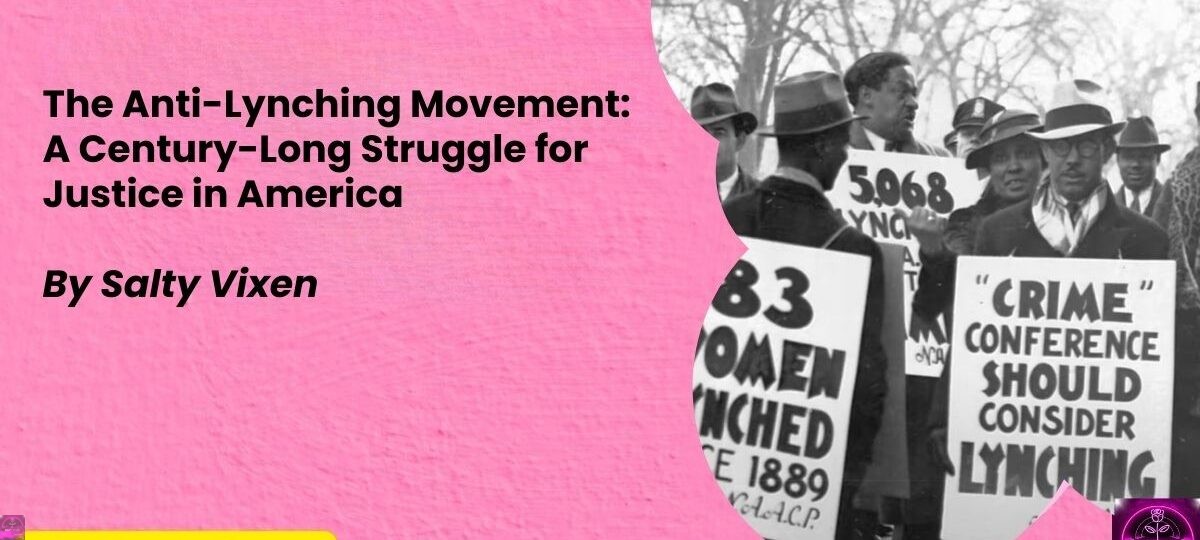
The anti-lynching movement stands as one of the most poignant chapters in American history, a relentless campaign against the barbaric practice of lynching that terrorized African American communities for generations. Lynching, often carried out by white mobs under the guise of vigilante justice, was a tool of racial oppression designed to enforce white supremacy, suppress Black economic and political advancement, and instill fear. From the late 19th century through the mid-20th century, this movement mobilized activists, organizations, and ordinary citizens to challenge the systemic violence that claimed thousands of lives. At its core, the movement sought not only to end lynching but to secure equal protection under the law for all Americans, laying the groundwork for the broader civil rights struggles that followed.
The roots of lynching trace back to the post-Civil War era, but the organized anti-lynching efforts gained momentum in the 1890s amid the “nadir of American race relations,” a period marked by intensified racial segregation, disenfranchisement, and violence. The first documented lynching in the United States occurred in 1835 in St. Louis, Missouri, where a Black man named Francis McIntosh was burned alive by a mob while in custody for allegedly killing a deputy sheriff. This horrific act set a precedent for extrajudicial killings that would proliferate, particularly in the South, where lynchings became spectacles of terror attended by crowds, sometimes numbering in the thousands.
The movement’s strategies evolved over time, from public awareness campaigns and investigative journalism to lobbying for federal legislation. African Americans, especially women, played pivotal roles, forming the backbone of organizations that documented atrocities, raised funds, and pressured politicians. Despite facing immense resistance, including death threats and political obstruction, activists persisted. Their efforts culminated in the passage of the Emmett Till Antilynching Act in 2022, over a century after the first anti-lynching bill was introduced. This article explores the movement’s history, key figures, organizations, legislative battles, and lasting legacy, drawing on a wealth of historical sources to illuminate this critical fight for human dignity.
Origins and Early History
The anti-lynching movement did not emerge in isolation; it was deeply intertwined with the broader struggle for Black freedom and equality following the Civil War. During Reconstruction (1865–1877), African Americans gained citizenship rights through the 13th, 14th, and 15th Amendments, but these gains were systematically eroded by white supremacist violence. Lynching became a primary method of enforcing Jim Crow laws and disenfranchising Black voters. Between 1882 and 1968, an estimated 4,743 people were lynched in the United States, with over 70% being African Americans. These acts were not random; they targeted successful Black individuals, those accused of minor infractions, or anyone challenging the racial hierarchy.
The movement’s origins can be traced to the immediate aftermath of the Civil War, with early freedom activities laying the groundwork. Black conventions in the South began organizing responses to individual lynchings as early as the 1870s. However, it was the surge in lynchings during the 1890s—peaking at over 150 per year—that galvanized a national response. The myth perpetuated by white supremacists that lynchings were primarily punishments for sexual assaults on white women was debunked by activists who revealed that fewer than 30% involved such allegations; most were for economic rivalry or perceived insolence.
In the South, groups like the Commission on Interracial Cooperation (CIC), founded in 1919 after the 1906 Atlanta Race Riot, worked to improve biracial relations and advocate against lynching. The CIC partnered with other organizations to push for state-level reforms, though federal intervention was seen as essential due to local complicity. Northern migrations during the Great Migration (1916–1970) also fueled the movement, as Black refugees from Southern terror brought stories that heightened national awareness.
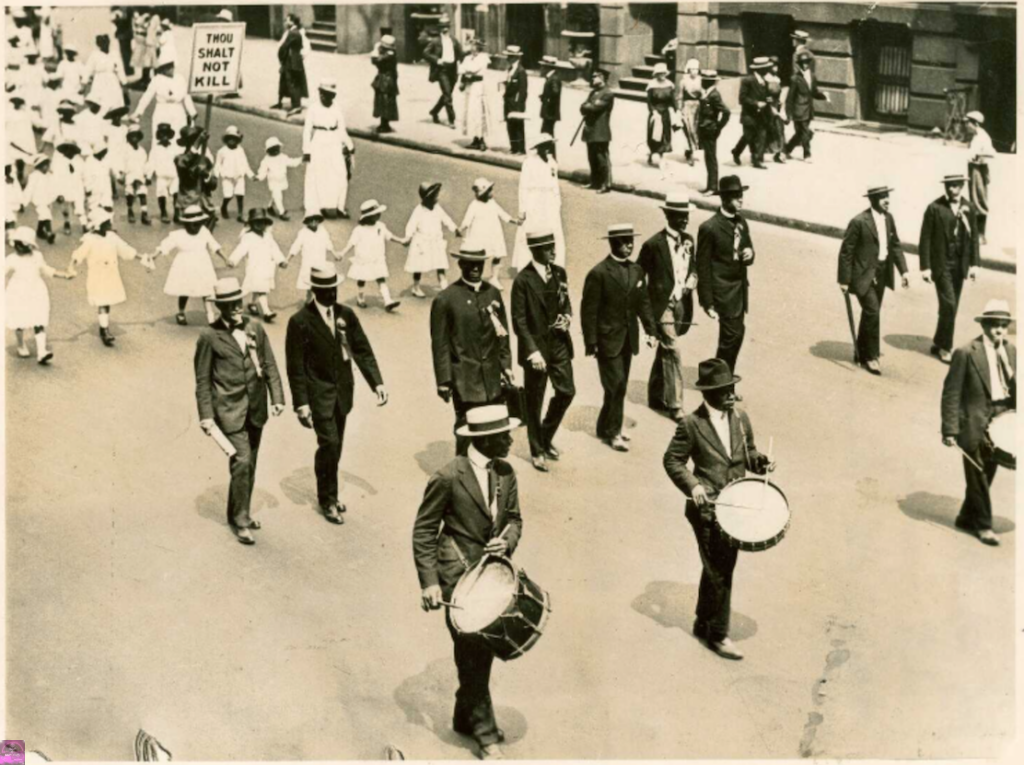
Early tactics included boycotts, protests, and media exposure. For instance, in 1892, after the lynching of three Black businessmen in Memphis, Tennessee, the community organized economic boycotts that pressured white businesses. These grassroots efforts set the stage for more formalized organizations and legislative pushes in the early 20th century.
Key Figures in the Movement
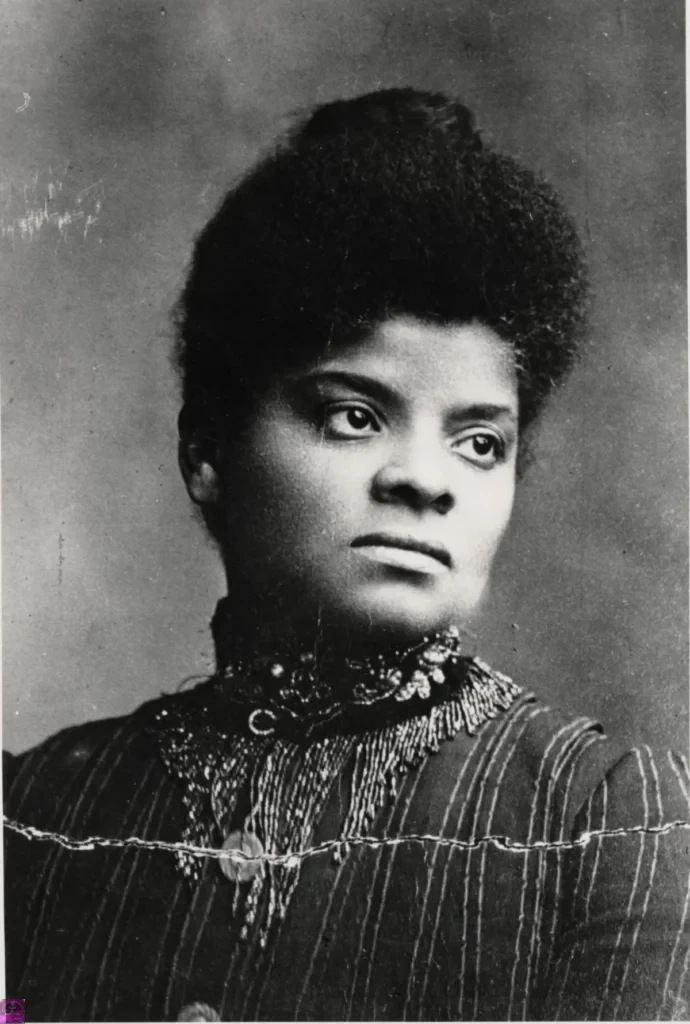
The anti-lynching movement was propelled by visionary leaders whose courage and intellect exposed the horrors of lynching and mobilized public opinion. Foremost among them was Ida B. Wells-Barnett, often hailed as the “sword among lions” for her unflinching journalism. Born into slavery in 1862 in Holly Springs, Mississippi, Wells became a teacher and journalist. The lynching of her friends Thomas Moss, Calvin McDowell, and Henry Stewart in 1892—owners of a successful grocery store that competed with white businesses—transformed her into a crusader.
Wells published scathing editorials in her newspaper, Free Speech and Headlight, debunking the rape myth and arguing that lynchings were economic and social control mechanisms. Her pamphlet Southern Horrors: Lynch Law in All Its Phases (1892) detailed statistics showing that most lynchings targeted Black men for non-sexual reasons, and she highlighted interracial relationships as a hidden motive for white rage. This led to the destruction of her press by a mob and death threats, forcing her to relocate to Chicago. Undeterred, Wells toured the United States and Britain, lecturing on lynching’s atrocities and founding organizations like the National Association of Colored Women (NACW) in 1896.
Wells also petitioned presidents directly. In 1898, after the lynching of postmaster Frazier B. Baker in South Carolina, she urged President William McKinley to recommend federal anti-lynching legislation. Later, in 1913, she met with President Woodrow Wilson to protest segregation, though he was unsympathetic. Her work extended to suffrage, where she founded the Alpha Suffrage Club in Chicago to empower Black women voters. Wells-Barnett’s legacy includes co-founding the NAACP in 1909, though she was initially marginalized in its leadership.
Another pivotal figure was W.E.B. Du Bois, the scholar and editor of The Crisis, the NAACP’s magazine. Du Bois used the publication to expose lynchings, publishing graphic photos and essays like “The Waco Horror” in 1916, detailing the burning of Jesse Washington in Texas. He criticized communities and the federal government for failing to protect citizens, arguing that lynching undermined American democracy.
Mary Burnett Talbert, president of the NACW from 1916 to 1920, led the Anti-Lynching Crusaders, a women’s group that raised funds for anti-lynching efforts. In 1922, they collected over $10,000 for the NAACP. Talbert, educated in Oberlin, Ohio, emphasized women’s roles in churches and clubs as platforms for activism.
Angelina Weld Grimké, a poet and playwright, addressed lynching’s psychological toll in works like her play Rachel (1916), aimed at evoking empathy from white women. Juanita Jackson Mitchell, NAACP youth director, organized youth protests and radio broadcasts in the 1930s.
White allies also contributed, such as Jessie Daniel Ames, who founded the Association of Southern Women for the Prevention of Lynching in 1930, condemning lynching from within Southern white society. These figures collectively shifted public discourse, making lynching a national shame.
Major Organizations and Their Roles
Organizations were the institutional heart of the anti-lynching movement, providing structure, resources, and advocacy. The National Association for the Advancement of Colored People (NAACP), founded in 1909 amid race riots in Springfield, Illinois, became the foremost entity. Initially interracial and led by whites, it transitioned to Black leadership by 1920, with figures like James Weldon Johnson as executive secretary.
The NAACP’s anti-lynching campaign began in earnest in 1916 with a special committee focused on legislation and education. They published reports like Thirty Years of Lynching in the United States, 1889-1918 (1919), documenting 3,224 lynchings and disproving myths. Tactics included legal challenges, protests, and boycotts. Youth branches held rallies in 78 cities, sold anti-lynching buttons raising nearly $900, and wore black armbands in mourning. Walter White, a light-skinned investigator, infiltrated lynch mobs to gather evidence, risking his life.
The Afro-American League (AAL), founded in 1890, and the National Equal Rights Council (NERC) were early precursors, advocating for civil rights and anti-lynching measures. The Anti-Lynching Crusaders, formed in 1922 under NAACP auspices, was a women’s initiative led by Talbert. Starting with 16 members, it grew to 900, aiming to raise $1 million for the Dyer Bill and unite women across races. They raised over $10,800 by 1923.
The National Association of Colored Women (NACW), established in 1896, integrated anti-lynching into women’s rights advocacy. The Niagara Movement (1905), led by Du Bois, evolved into the NAACP and emphasized protest over accommodation.
Interracial groups like the CIC and the Association of Southern Women for the Prevention of Lynching worked from within white communities to condemn lynching, publishing reports and lobbying. These organizations’ collaborative efforts amplified the movement’s reach, combining grassroots activism with national lobbying.
Legislative Efforts: Failures and Eventual Success
The quest for federal anti-lynching legislation epitomized the movement’s challenges, marked by over 200 failed attempts before success in 2022. Southern Democrats, wielding filibusters and states’ rights arguments, blocked bills, fearing federal oversight would dismantle segregation.
The first bill was introduced in 1900 by Rep. George Henry White, the last Black congressman from the South until 1973, but it died in committee. In 1918, Rep. Leonidas C. Dyer of Missouri proposed the Dyer Anti-Lynching Bill, making lynching a federal felony, punishing complicit officials, and fining counties $10,000 for victims’ families. It passed the House in 1922 but was filibustered in the Senate by Southerners claiming it infringed on states’ rights. Reintroduced in 1923 and 1924, it failed again.
The Costigan-Wagner Bill (1934), sponsored by Sens. Edward Costigan and Robert Wagner, aimed to prosecute lynch mobs and negligent officials. President Franklin D. Roosevelt, despite personal opposition to lynching, withheld support to appease Southern Democrats for his New Deal agenda. Southern filibusters defeated it in 1935, 1937, and 1938.
Anti-Lynching Movement: Frequently Asked Questions
What was the primary goal of the Anti-Lynching Movement?
The movement aimed to eradicate the practice of lynching in the United States by seeking federal legislation to criminalize mob violence, prosecuting perpetrators who acted with impunity, and bringing international awareness to the racial terrorism used to suppress African Americans between the 1890s and 1930s.
Who was Ida B. Wells-Barnett and why was she significant?
Ida B. Wells-Barnett was a pioneering investigative journalist and activist who launched a global anti-lynching campaign. She famously debunked the myth that lynchings were a response to sexual crimes, proving instead that they were tools of economic and social control to maintain white supremacy.
What was the Dyer Anti-Lynching Bill?
Introduced in 1918 by Representative Leonidas Dyer, this was the first major federal attempt to classify lynching as a felony. Although it passed the House in 1922, it was consistently defeated in the Senate by Southern filibusters, a pattern that continued for over a century.
How did the NAACP contribute to the movement?
The NAACP (founded in 1909) used legal challenges, lobbying, and public awareness campaigns. They famously flew a flag from their NYC office that read “A Man Was Lynched Yesterday” and compiled meticulous statistics to pressure the federal government for reform.
When did lynching finally become a federal crime?
After over 200 failed attempts at legislation, the Emmett Till Antilynching Act was signed into law by President Joe Biden on March 29, 2022, officially designating lynching as a federal hate crime.
Post-World War II, President Harry Truman called for anti-lynching laws in 1948, but bills stalled. In 1955, the lynching of 14-year-old Emmett Till in Mississippi galvanized renewed efforts, with the NAACP declaring it a lynching and pushing investigations. Yet, bills failed until the 21st century.
In 2005, the Senate apologized for its failures. The Justice for Victims of Lynching Act (2018) and similar bills progressed but stalled. Finally, the Emmett Till Antilynching Act passed Congress in March 2022 and was signed by President Joe Biden, classifying lynching as a federal hate crime punishable by up to 30 years in prison. This victory, after 240 attempts, honored victims and affirmed federal commitment to combating racial violence.
Cultural and Social Impacts
Beyond legislation, the anti-lynching movement profoundly influenced American culture and society. It exposed the hypocrisy of American democracy, prompting artistic responses that humanized victims and critiqued perpetrators. Literature, like Grimké’s Rachel, depicted the trauma inflicted on Black families. Billie Holiday’s 1939 song “Strange Fruit,” based on a poem by Abel Meeropol, became an anthem, vividly describing lynched bodies as “strange fruit hanging from the poplar trees.”
Visual media played a crucial role. The NAACP’s publication of lynching photos in The Crisis shocked audiences, forcing confrontation with racial terror. Exhibits like “Without Sanctuary” later compiled postcards of lynchings, highlighting their spectacle nature.
Socially, the movement empowered Black women, who comprised a significant portion of activists. Through clubs and churches, they developed leadership skills and intersected anti-lynching with suffrage and education reforms. It also fostered interracial alliances, though tensions existed, as seen in Wells-Barnett’s critiques of white-led groups.
The Great Migration was both a cause and effect, as lynchings drove millions North, reshaping urban demographics and amplifying calls for justice. Internationally, Wells’ lectures in Britain embarrassed the U.S., linking domestic racism to global perceptions during World Wars.
The movement’s emphasis on documentation influenced modern civil rights, with parallels in today’s anti-police brutality efforts.
Decline of Lynching and the Movement’s Evolution
Lynching declined after the 1930s due to multiple factors: NAACP pressure, economic changes, and shifting public opinion post-World War II. By the 1950s, annual lynchings dropped to single digits, though racial violence persisted in forms like bombings and murders during the Civil Rights Movement.
The movement evolved into broader civil rights advocacy. The 1954 Brown v. Board of Education decision, won by NAACP lawyers, built on anti-lynching legal strategies. Events like Till’s murder bridged the eras, inspiring figures like Rosa Parks and Martin Luther King Jr.
However, the lack of federal law until 2022 meant many perpetrators escaped justice; 99% of lynchers were never punished. Modern reckonings, like the Equal Justice Initiative’s National Memorial for Peace and Justice (2018), memorialize victims and educate on this history.
Legacy and Contemporary Relevance
The anti-lynching movement’s legacy is profound, shaping civil rights laws like the Civil Rights Act of 1964 and Voting Rights Act of 1965. It demonstrated the power of sustained activism against entrenched racism, inspiring global human rights movements.
Today, its relevance persists amid discussions of racial justice, police violence, and hate crimes. The 2022 Act addresses modern lynchings, like the 2020 murder of Ahmaud Arbery, classified under the law. It underscores that racial terror, though transformed, endures.
The movement highlights women’s contributions, often overlooked, and the need for intersectional approaches to justice. As Ida B. Wells-Barnett stated, “The way to right wrongs is to turn the light of truth upon them.” This ethos continues to guide efforts toward equity.
Expanding on Historical Contexts and Specific Incidents
To fully appreciate the movement, one must delve into specific incidents that spurred action. The 1892 Memphis lynchings, as mentioned, were economic assassinations disguised as justice. Moss’s last words, “Tell my people to go West—there is no justice for them here,” echoed the desperation fueling migration.
The 1906 Atlanta Race Riot, where white mobs killed dozens of Blacks over false assault reports, led to the CIC’s formation. The 1917 East St. Louis Riot saw similar violence, prompting Dyer’s bill.
The 1919 “Red Summer” saw over 25 race riots, with lynchings peaking, leading to NAACP’s investigative report. In 1930, the Marion, Indiana, lynching of Thomas Shipp and Abram Smith, photographed and distributed as postcards, horrified the nation.
These events underscore lynching’s role in maintaining white dominance, often with law enforcement complicity.
The Role of Media and Public Awareness
Media was instrumental. Wells’ pamphlets, like The Red Record (1895), provided the first statistical analysis, listing 241 lynchings in 1892 alone. Du Bois’ Crisis reached 100,000 readers by 1919, blending facts with advocacy.
Radio broadcasts, like Mitchell’s 1937 NBC segment, reached millions. Films and plays further amplified messages.
Challenges and Internal Dynamics
The movement faced internal challenges, including gender and racial tensions. Wells was excluded from NAACP’s founding committee despite her expertise. Class differences also arose, with working-class Blacks sometimes viewing elite-led groups as out of touch.
External opposition included Ku Klux Klan terrorism and political stonewalling, as seen in Sen. James Eastland’s 1948 filibuster.
International Dimensions
Wells’ British tours in 1893–1894 garnered international condemnation, pressuring U.S. diplomats. During World Wars, anti-lynching advocates argued that domestic racism undermined America’s global stance against fascism.
Economic Aspects of Lynching
Lynchings often targeted prosperous Blacks to seize property. The Tulsa Race Massacre (1921) destroyed Black Wall Street, killing hundreds. Activists highlighted this to argue lynching was economic warfare.
State-Level Reforms
While federal efforts lagged, states like Illinois passed anti-lynching laws in 1905, influenced by Wells. Georgia and Texas followed in the 1930s, though enforcement varied.
The Path to 2022 Legislation
The 21st-century push began with the 2005 apology, followed by bills in 2018–2020. Rep. Bobby Rush’s Emmett Till Act overcame procedural hurdles, passing unanimously in the Senate.
Reflections on Persistence
The movement’s success after 122 years reflects activists’ resilience. From Wells’ pen to modern memorials, it reminds us that justice delayed is not denied.
Broader Implications for Civil Rights
The anti-lynching fight informed strategies for desegregation and voting rights, with NAACP litigation paving the way.
Memorialization and Education
Initiatives like EJI’s memorial educate future generations, ensuring history informs the present.
Conclusion
The anti-lynching movement transformed American society, challenging the roots of racial injustice. Its leaders’ bravery and organizations’ tenacity secured a legacy of progress, culminating in long-overdue legislation. As we confront ongoing disparities, their story inspires continued vigilance for equality.
View References (Click to Expand)
Primary References
- • Cedric J. Robinson (1997). Black Movements in America. Psychology Press. p. 105.
- • Lynne E. Ford (2008). Encyclopedia of Women and American Politics. Infobase Publishing. p. 37.
- • Paul Finkelman (2007). Encyclopedia of African American History, 1896 to the Present. Oxford University Press. pp. 78–82.
- • Walter, David O. (1935). “Previous Attempts to Pass a Federal Anti-Lynching Law”. Congressional Digest. 14 (6/7): 169–171.
- • Bynum, Thomas (2013). NAACP Youth and the Fight for Black Freedom, 1936–1965. University of Tennessee Press. p. 8.
- • Noralee Frankel (1994). Gender, Class, Race, and Reform in the Progressive Era. University Press of Kentucky. p. 148.
- • “Woman Journalist Crusades Against Lynching”. Library of Congress. (1998).
- • Zackodnik, Teresa (2011). Press, Platform, Pulpit: Black Feminist Publics in the Era of Reform. University of Tennessee Press. p. 4.
- • Wells-Barnett, Ida B. “Southern Horrors: Lynch Law In All Its Phases”. Project Gutenberg.
- • Giddings, Paula (1984). When and Where I Enter. Harper Collins. p. 29.
- • Williams, Lillian (1999). Strangers in the Land of Paradise. Indiana University Press. p. 241.
- • Rucker, Walter; Upton, James (2006). Encyclopedia of American Race Riots, Vol 1. Greenwood. p. 64.
- • Brown-Guillory, Elizabeth (1996). Women of Color: Mother-Daughter Relationships. University of Texas Press. p. 191.
Further Reading
- Brown, Mary Jane. “Advocates in the Age of Jazz”. Peace & Change 28.3 (2003): 378–419.
- Brundage, William Fitzhugh. Under sentence of death: Lynching in the South (1997).
- Cooper, Melissa. “Reframing Eleanor Roosevelt’s Influence…” European journal of American studies (2017).
- Hishida, Sachiko. “The hope and failure in interracial cooperation”. Journal of American and Canadian Studies (2005).
- Ray Teel, Leonard. “The African-American Press and the Campaign…” American Journalism (1991).
- Royster, Jacqueline Jones. Southern Horrors and Other Writings (2nd ed. 2016).
- Washington, Deleso Alford. “Exploring the Black Wombman’s Sphere”. Georgetown Journal of Gender and the Law (2001).
