If you’re reading this in 2026, and you still haven’t seen a fuzzy, sharp-toothed elf creature dangling from someone’s designer bag like it’s the new Birkin, congratulations—you’ve either been living under a rock or your algorithm is blessedly sane.
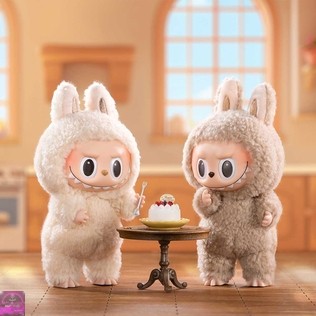
Labubu dolls (yes, dolls, not demons, though we’ll get to that) have gone from niche Asian collectible to full-blown global mania. Grown adults are camping outside Pop Mart stores at dawn, fighting over blind boxes like it’s Black Friday 2008, and one mint-green life-size version sold for over $170,000 at auction in Beijing last year. That’s not a typo. That’s more than some people’s cars.
So why? Why is the world collectively losing its mind over a plush monster with the grin of a jack-o’-lantern who just heard your ex’s new relationship status? Why are people dropping hundreds (thousands?) on what is essentially a fuzzy keychain with abandonment issues? And why, in the name of all that’s holy, does it feel like everyone is obsessed?
Buckle up. We’re diving deep into the chaos—facts first, sarcasm second, zero mercy throughout. This is the unfiltered, brutally honest explanation of Labubu fever in 2026.
1. The Origin: How a Nordic-Inspired Elf Monster Became a Billion-Dollar Menace
Labubu didn’t spawn from the void in 2025 like some viral curse. It was created in 2015 by Hong Kong-born, Netherlands-raised illustrator Kasing Lung. Growing up between Utrecht and Antwerp, Lung soaked up Nordic folklore—those mischievous elves and trolls that sound whimsical until they start cursing your livestock.
He turned that into “The Monsters,” a picture-book series featuring zoomorphic oddballs. Labubu is the breakout star: small, supposedly kind-hearted, with pointed ears, scruffy fur, big eyes, and nine jagged teeth that scream “I will bite your soul and then apologize with a hug.”
Lung himself calls Labubu his “mischievous id”—the part of your brain that wants to do dumb, impulsive things but has just enough self-awareness to feel bad about it later. Relatable? Extremely.
2. The Lisa Effect: One BLACKPINK Star Ruins Global Budgets Forever
Everything changed in spring 2024 when BLACKPINK’s Lisa posted an Instagram story with a Labubu keychain on her bag. The internet imploded.
Within months, Labubu went from Asian collector niche to must-have accessory worldwide. Vogue Italia and Teen Vogue credited Lisa for the “worldwide surge.” She openly admitted obsession: “I’ve been going crazy for them for almost a year.”
Other celebs piled on: Rihanna, Dua Lipa, Kim Kardashian, David Beckham, Naomi Osaka (who named hers “Andre Swagassi” and “Billie Jean Bling”), even Madonna.
Thanks, Lisa. My bank account hates you, but my inner gremlin is thriving. 😈
3. Blind Boxes: The Gambling That Feels Like Therapy (But Costs More)
The secret sauce? Blind boxes. You pay $20–$30 for a sealed package with no clue which Labubu you’ll get. Most series have 12 common designs + 1 ultra-rare “secret” (odds 1/72 to 1/144). It’s literal gambling, but cuter and socially acceptable.
Psychologists compare it to slot machines: anticipation, reveal rush, dopamine spike on rares. TikTok unboxing videos exploded—millions of views of people sobbing over duplicates or screaming over secrets.
Peak insanity: A 1.2-meter mint-green mega Labubu sold for $170,000 at Beijing’s Yongle Auction in June 2025. A brown one hit $130,000. These are toys. Toys.
4. Ugly-Cute Therapy: Why “Creepy but Huggable” Hits Different in 2026
Labubu is textbook uncanny valley cute—big eyes, fluffy body, but a grin that could star in a horror reboot. Comparisons: Stitch, Toothless, Huggy Wuggy, Wild Things.
It’s “kind of ugly but huggable.” In a world of filtered perfection and AI influencers, people crave imperfection, mischief, and low-stakes chaos. Labubu embodies that: chaotic good, accidentally destructive, but ultimately lovable.
5. The Backlash: Bans, Demons, Fakes, and Moral Panic (Because of Course)
Governments banning plush toys for being too spooky while we ignore actual problems? Peak 2026.
- Russia proposed banning them for “terrifying appearance.”
- Iraq’s Kurdistan seized 4,000+ dolls citing “demonic spirits.”
- TikTok theories link the grin to Pazuzu (Mesopotamian demon).
- Counterfeits (“Lafufus”) flood markets—China seized 70,000+ fakes.
6. 2026 Reality Check: Is the Obsession Fading… or Evolving?
By early 2026, the frenzy cooled slightly. Resale prices dipped, some stores restocked easily. Japan’s Mirumi (soft, comforting plush) emerged as the “anti-Labubu”—gentle, reassuring, post-chaos comfort.
But Labubu endures: Macy’s parades, Coca-Cola/One Piece collabs, rumored anime. It symbolized Chinese soft power—Nordic-inspired art turned into billions while the West buys in.
Final Verdict: We Deserve This Gremlin Chaos
Labubu’s obsession boils down to: celebrity magic, gambling dopamine, ugly-cute therapy, scarcity FOMO, and internet absurdity. We’re all just tired adults projecting our chaos onto a toothy elf.
So next time you see a Labubu grinning from a bag, remember: it’s not just a toy. It’s a $28 mirror of our collective derangement—and we love it.
