


I am in my early 40s and I have a pelvic tilt- except I didn’t know it for years. I have two kids, and after the birth of my second, I went to my doctor for help as I didn’t understand what was happening to me (the internet was still new…otherwise I would have simply googled it and learned what was going on- this article will help!). My doctor , who was female, was baffled about my pain and recommended me to see a chiropractor. Worst. thing ever happened to me.
Chiropractors are great, if you get the right ones. The one I had, didn’t listen to me. Although at the time I didn’t realize it, as I thought, he ‘cracked’ my back so my body would be even. I would be fine for 30 min and pain would return. What the chiropractor failed to tell me and others, as you get older, especially us women who give birth, muscles get weak. Especially the Pelvic Floor Muscles. The Chiropractor should have asked me when I gave birth, what exercises I am doing to strengthen and if I wasn’t doing them right or not doing them, the chiropractor should have said I needed to go to the gym and/or get a trainer- OR perhaps watch Richard Simmons Sweating to the Oldies II:
Instead, chiropractor would crack my back, making me even and this went off and on for YEARS. I would go back to him like an addict as I needed to feel better. Then I got to the point I couldn’t feel anything on my right side. I was limping like an awesome pirate and didn’t notice it. There was pain on my sciatica except I didn’t have anything wrong. Something was mimicking the sciatica pain.
I stopped going. I began healing myself. I did see a physical therapist to start from the basics, went until my insurance ran out (UGH). After that, I knew I had to take matters in my own hands. I got a cane, used it for walking. Relearned how to walk properly. Did squats once I began strengthen my pelvic floor muscles. I got to use the cane less and less. Now I use it for long hikes.
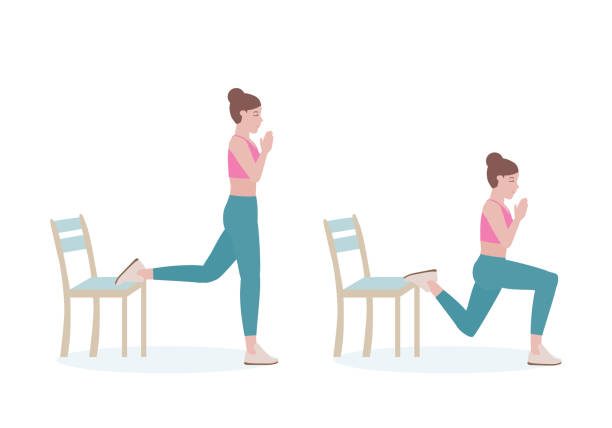
Dating has been hard as people judge, regardless of the experience I had. I am a fighter and this isn’t going to stop me. I want to run again (yeah, still can’t run but nearly there!). I got a foam roller and used that. I used my chair for lunges.
The Pelvic Tilt in Rehabilitation:
The pelvic tilt is often used in early stages of rehab, when it is appropriate that the patient begin exercising. This is because it is a gentle way to:
- wake up the nerves in the core posture muscles that live in the pelvis
- begin to strengthen those muscles, which in turn stabilizes the low back
- stretch tight muscles around the hip, for example, the hamstrings, psoas and/or quadriceps.
How the Pelvic Tilt Works to Stabilize Back Posture:
Types of Back Problems Benefited by Pelvic Tilts:
Muscle Usage for Best Results:
Some versions of the pelvic tilt emphasize using buttock muscles to “get you there”. By performing the pelvic tilt this way, the movement is less subtle than if you were to let go of gripping and use the abdominals instead. Focusing on abdominal work to provide the movement of the pelvis will go a long way toward low back stabilization by:
- strengthening the deep muscles of posture
- encouraging a balance of strength throughout the muscles of the pelvis.
Bibliography (amazon.com):


This is an original creative work by Salty Vixen. This story/article, including its characters, plot, and descriptive content, is protected by copyright law. Unauthorized copying, sharing, reposting, or reproduction in any format is strictly prohibited. This content may not be used for AI training, data scraping, machine learning, or any form of artificial intelligence development without explicit written permission from © 2026 Salty Vixen Stories, Inc. — All rights reserved.. Violators will be pursued to the fullest extent of the law.
