
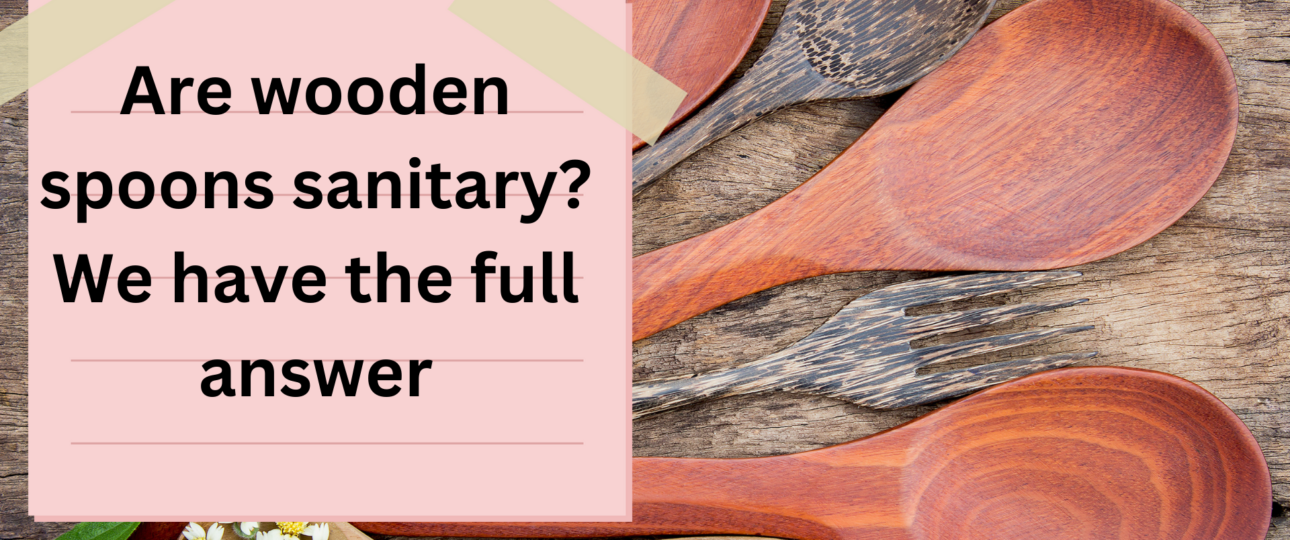
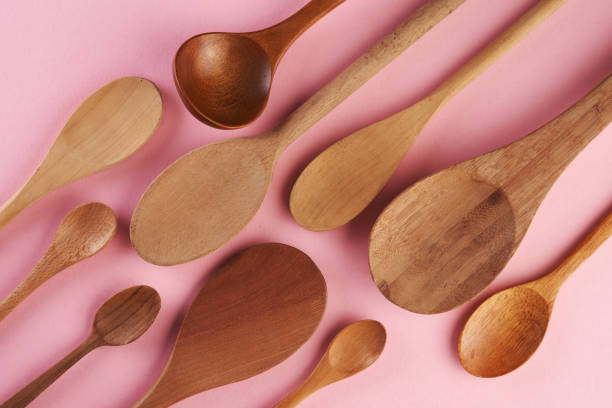
Wood is one of the oldest materials used to make kitchen tools. Wood is naturally more antibacterial than any man-made object. Trees naturally fight infection, bacteria and mold, and even though it’s no longer a living organism, the properties of wood are still the same; wood still has cells that don’t grow bacteria or mold.
When they’re made, most wooden spoons, utensils and cutting boards are treated with mineral oils , which creates an inert, neutral surface that will not allow bacterial to reside.
To keep your wooden spoons and cutting boards in the best shape possible, follow these tips:
- Hand-wash wooden utensils with hot water and mild dish soap. Although they could technically be cleaned in the dishwasher, it’s not a good idea, because the high water temperatures can dry them out.
- If your wooden spoons or cutting board start to look dry or fuzzy, periodically rub them with mineral oil or a beeswax compound. Don’t use food-based oil like vegetable or olive oil, since these can go rancid.
- Wooden cutting boards and spoons can eventually split as they dry out or are exposed to extreme temperature changes. Dispose of split wooden tools, because food could get trapped in the cracks.
- Stains or roughness can be rubbed away with a piece of fine sandpaper.


This is an original creative work by Salty Vixen. This story/article, including its characters, plot, and descriptive content, is protected by copyright law. Unauthorized copying, sharing, reposting, or reproduction in any format is strictly prohibited. This content may not be used for AI training, data scraping, machine learning, or any form of artificial intelligence development without explicit written permission from © 2026 Salty Vixen Stories, Inc. — All rights reserved.. Violators will be pursued to the fullest extent of the law.
