
🛒 How to Save Money on Groceries in 2026: Proven Strategies That Work 🍎
Slash your bill 30–50% with smart planning, apps & habits amid January 2026 food price increases
Groceries remain a top budget buster in 2026. But you have more control than you think: consistent, strategic habits can cut costs without sacrificing nutrition, taste, or variety.
This guide shares proven, real-world tips plus modern tools (discount stores, rebate apps, and waste reduction). Many families save $200–500/month—start small and build momentum.
1. Understand Grocery Inflation in 2026 & Why It Matters
Staples fluctuate. The good news? You can outsmart it by focusing on what you control: planning, shopping habits, and waste elimination.
2. Master Meal Planning & Shopping Lists
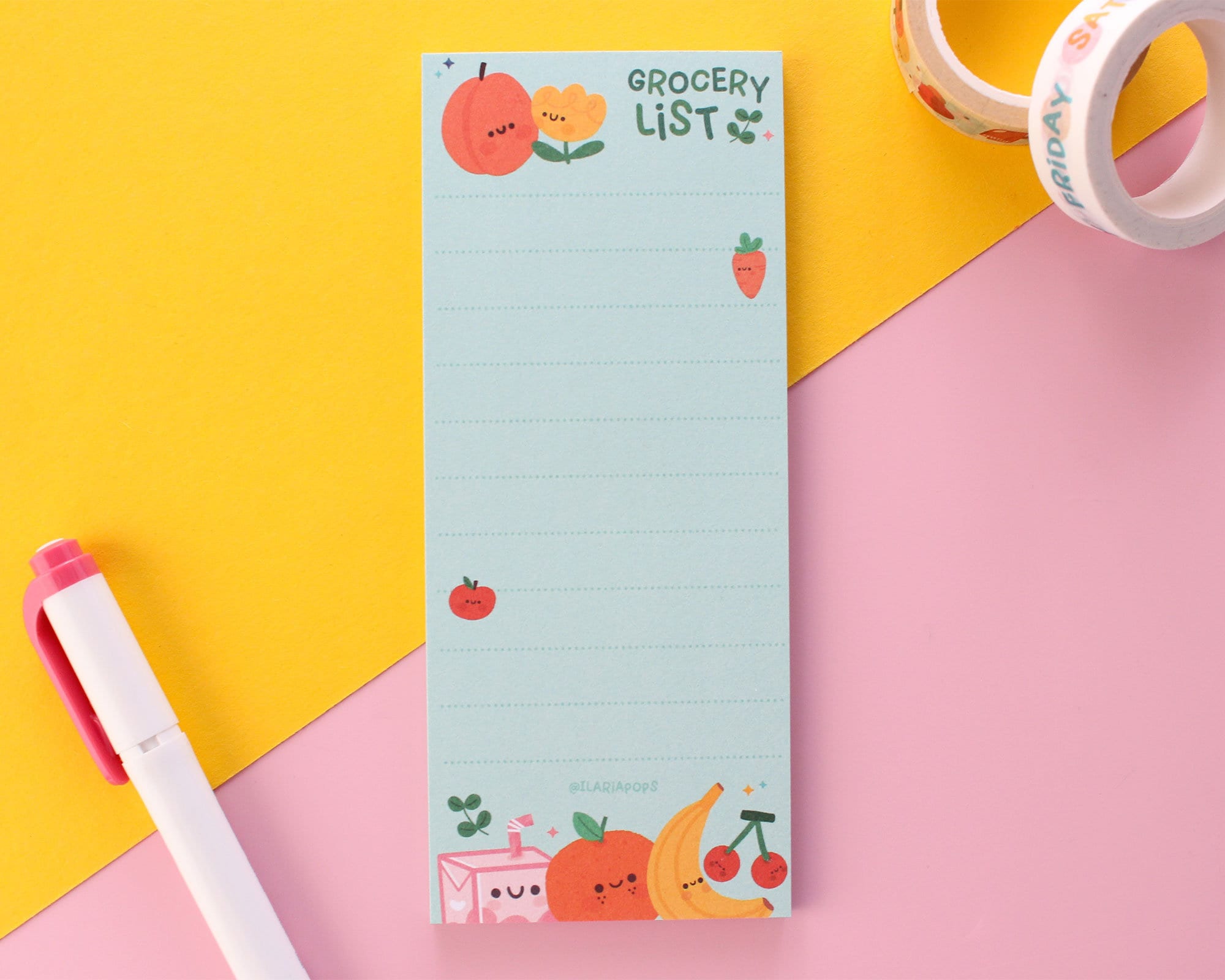
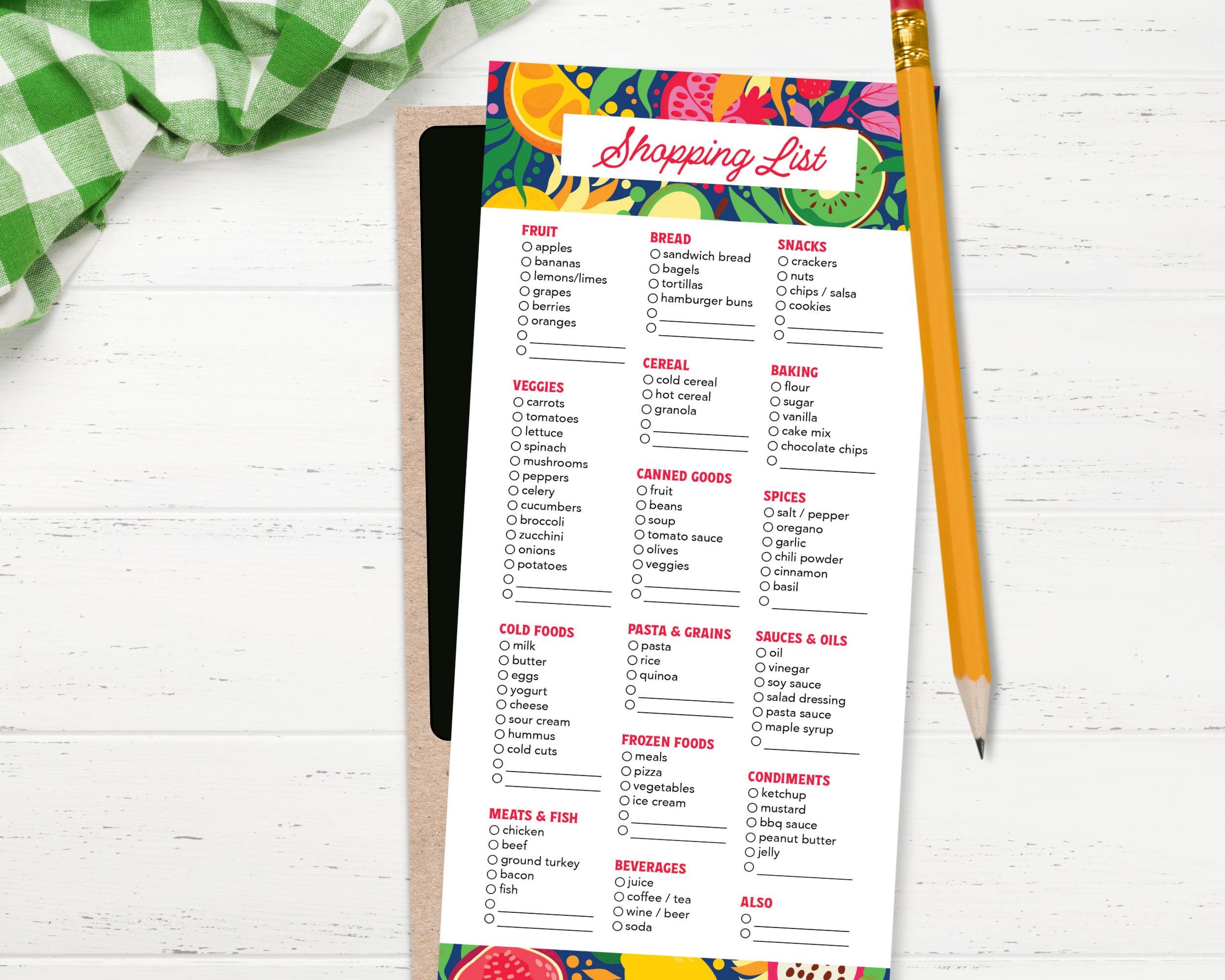
Plan weekly meals around what you already have (pantry/fridge/freezer check), sales flyers, and seasonal items. Build a categorized list and stick to it.
Here are some inspiring shopping list ideas to get organized:

3. Shop Smarter: Stores, Brands & Timing
Choose discount stores for basics, lean on store brands, and buy seasonal produce. Time visits for markdowns and avoid multiple trips.
4. Maximize Deals, Apps, Coupons & Rewards
Use loyalty programs + digital coupons, then stack with cashback apps. Bulk-buy nonperishables only when you’ll actually use them.
5. Reduce Waste & Cook Efficiently at Home
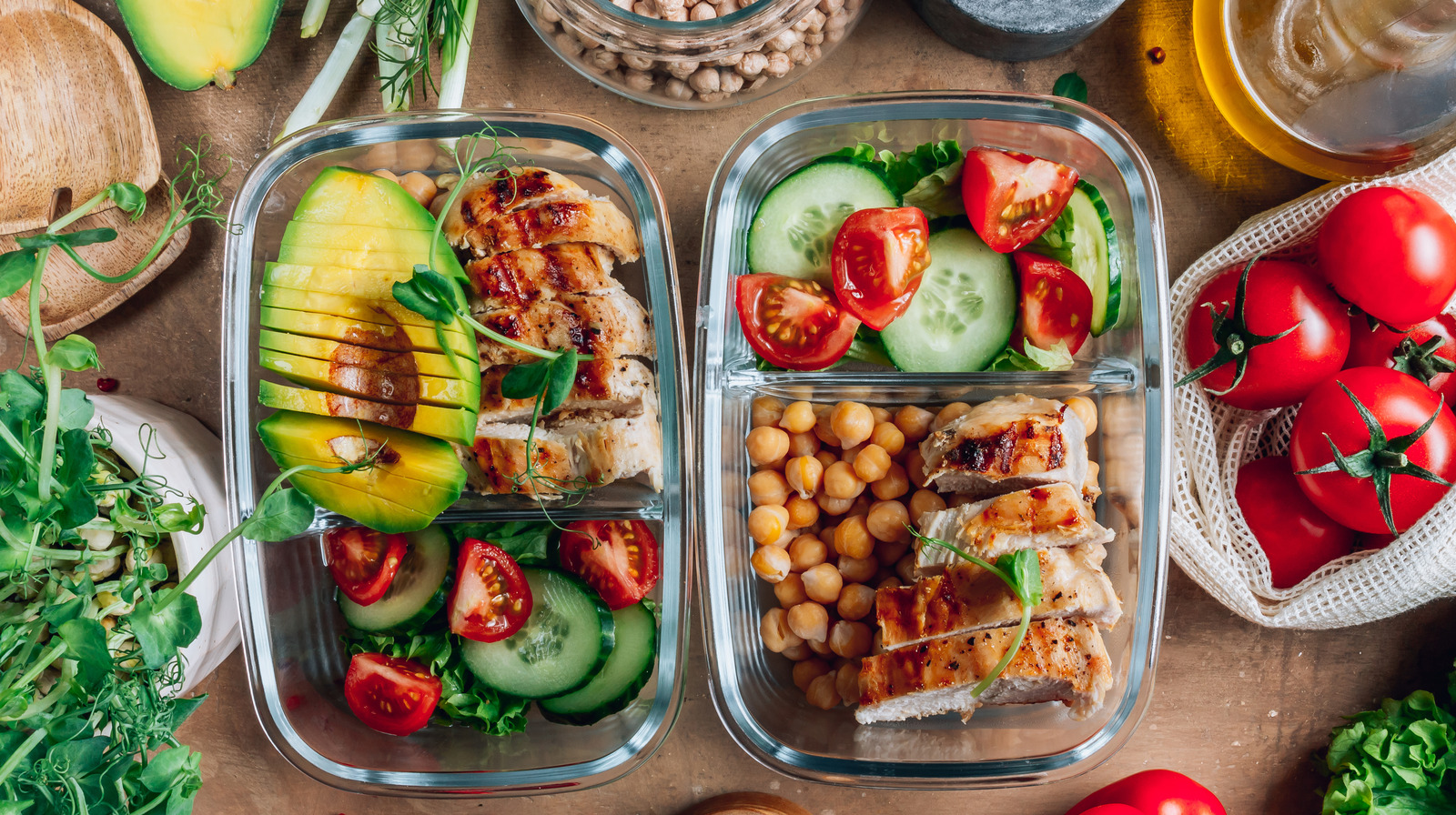
Freeze extras, repurpose leftovers, batch cook, and try “pantry week” once a month.
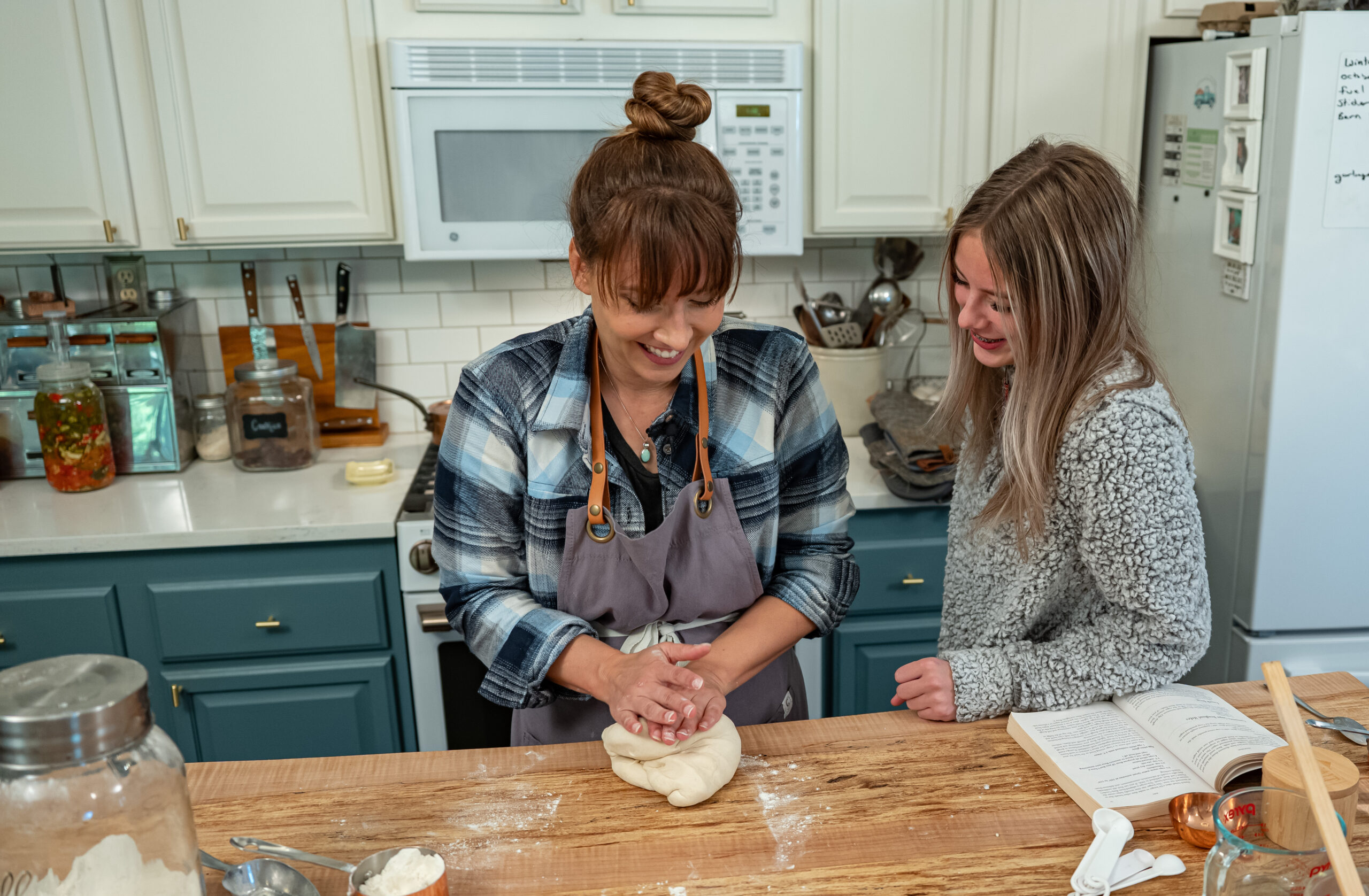
Real families meal-prepping to save big:
:max_bytes(150000):strip_icc()/sunday-prep-meal-plan-opener-013_960px-6f9fc0dbb83a469c89eedec9474770fd.jpg "How to Save Money on Groceries in 2026: 30–50% Savings with Smart Tips & Habits 4")
6. Frequently Asked Questions ❓
Start This Week ✨
Pick just 2 habits: (1) plan meals from what you have, (2) shop once weekly with a list. Track results for 14 days—you’ll see the difference.
← Back to Frugal Living Hub
This is an original creative work by Salty Vixen. This story/article, including its characters, plot, and descriptive content, is protected by copyright law. Unauthorized copying, sharing, reposting, or reproduction in any format is strictly prohibited. This content may not be used for AI training, data scraping, machine learning, or any form of artificial intelligence development without explicit written permission from © 2026 Salty Vixen Stories, Inc. — All rights reserved.. Violators will be pursued to the fullest extent of the law.
