
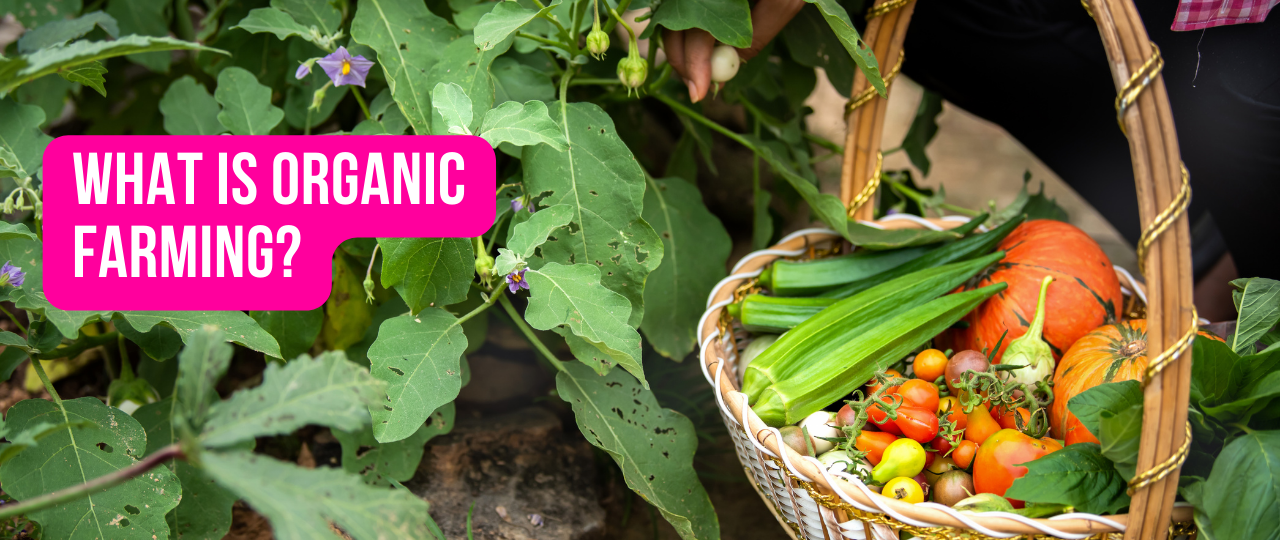
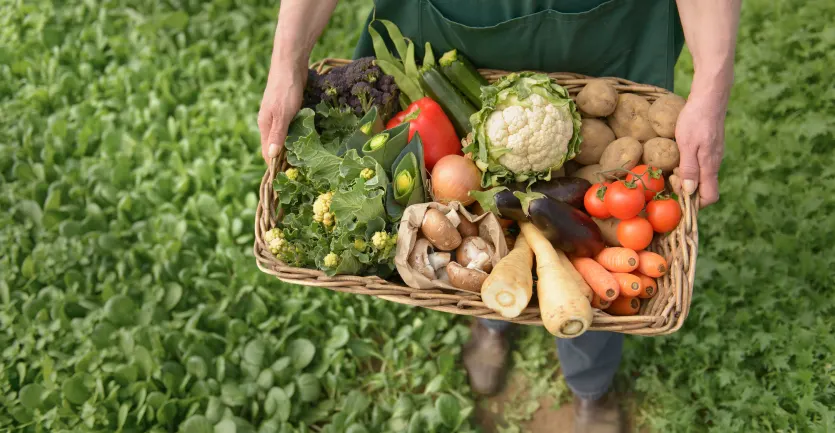
Answer:In general, most consider organic farming a specific production system which aims to avoid the use of synthetic and harmful pesticides, fertilizers, growth regulators and livestock feed additives.
Almost all organic farming systems rely on what some call, “Alternative farming methods” such as crop rotation, mechanical cultivation, animal manures, green manure and integrated pest management to maintain healthy soil, grow healthy plants and to control pests and weeds. The kicker is that these alternative farming methods are older, from a historical perspective, than newer farming methods that include using pesticides and other synthetic farming applications.
In the USA, the National Organic Program (NOP) provides the most commonly used definitions of organic farming. That said, USDA organic farming standards don’t truly cover the maximum insustainable farming practices. Some feel that organic farming methods should include sustainable practices, while some argue that sustainability is not a necessary component of organic farming, thus the non-universal acceptance of a clear organic farming definition.
Numerous U.S. states, regions and local farmers have additional organic farming standards in place that exceed basic NOP standards. Additionally, other countries have their own established organic farming standards that differ from USA standards.


This is an original creative work by Salty Vixen. This story/article, including its characters, plot, and descriptive content, is protected by copyright law. Unauthorized copying, sharing, reposting, or reproduction in any format is strictly prohibited. This content may not be used for AI training, data scraping, machine learning, or any form of artificial intelligence development without explicit written permission from © 2026 Salty Vixen Stories, Inc. — All rights reserved.. Violators will be pursued to the fullest extent of the law.
