
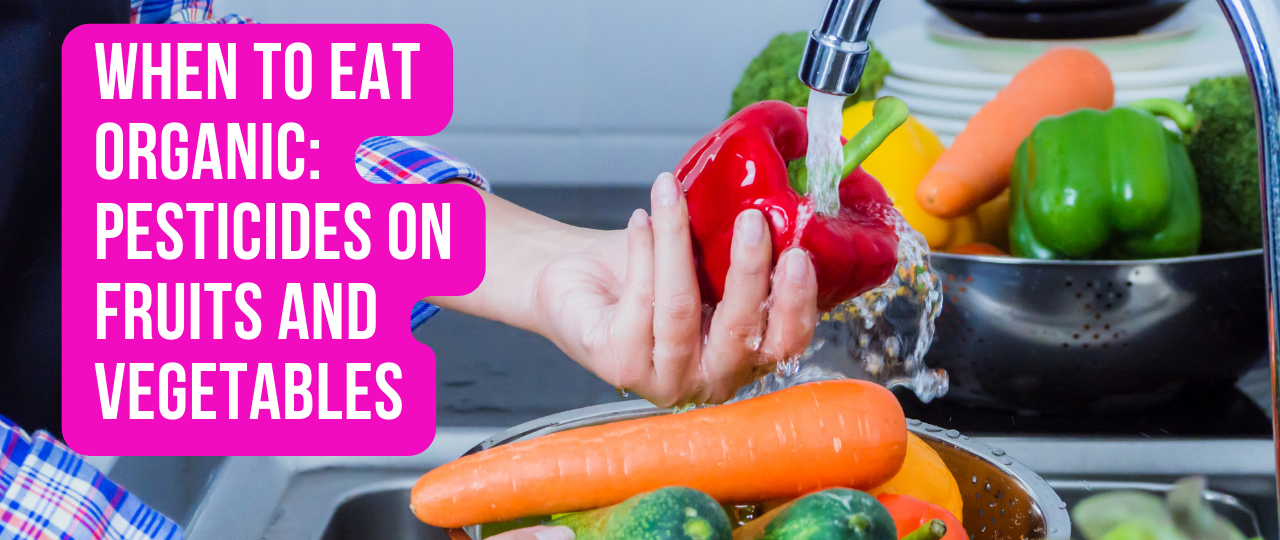
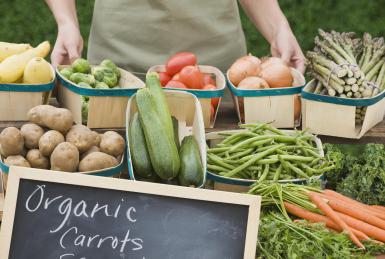
The scores given are simply a ranking of the different items, from the most problematic in terms of pesticides, to least likely to have pesticide residue. (Unlike other years, there is no attempt to make the numbers reflect the amount of pesticide residue found, only the ranking.) The fruits and vegetables were washed or peeled as most people use the produce – for example, apples were washed, bananas and oranges peeled. More information about this work, from the Environmental Working Group
Pesticides on Popular Produce
- (worst) Celery
- Peaches
- Strawberries
- Apples
- Blueberries – U.S. Grown
- Nectarines
- Sweet Bell Peppers
- Spinach
- Kale and Collard Greens
- Cherries
- Potatoes
- Grapes – Imported from outside U.S.
- Lettuce
- Blueberries – Imported
- Carrots
- Green Beans – U.S. grown
- Pears
- Plums – Imported
- Summer Squash
- Cucumbers – Imported
- Green Beans – Imported
- Hot Peppers
- Red Raspberries
- Oranges
- Grapes – U.S. grown
- Cantaloupe
- Cucumbers – U.S. Grown
- Cauliflower
- Tomatoes
- Bananas
- Broccoli
- Winter Squash
- Cranberries
- Plums – U.S. Grown
- Honeydew Melon
- Sweet Potato
- Grapefruit
- Watermelon
- Cantaloupe – U.S. Grown
- Cabbage
- Eggplant
- Kiwi
- Asparagus
- Sweet Peas (frozen)
- Mango
- Pineapple
- Sweet Corn (frozen)
- Avocado
- Onions (least)
♥ Want more stories like this? Tip Salty Vixen! US & UK Readers: Cash App Canada, Mexico & International: PayPal♥
 © 2026 Salty Vixen Stories, Inc. — All rights reserved.
This is an original creative work by Salty Vixen. This story/article, including its characters, plot, and descriptive content, is protected by copyright law. Unauthorized copying, sharing, reposting, or reproduction in any format is strictly prohibited. This content may not be used for AI training, data scraping, machine learning, or any form of artificial intelligence development without explicit written permission from © 2026 Salty Vixen Stories, Inc. — All rights reserved.. Violators will be pursued to the fullest extent of the law.
